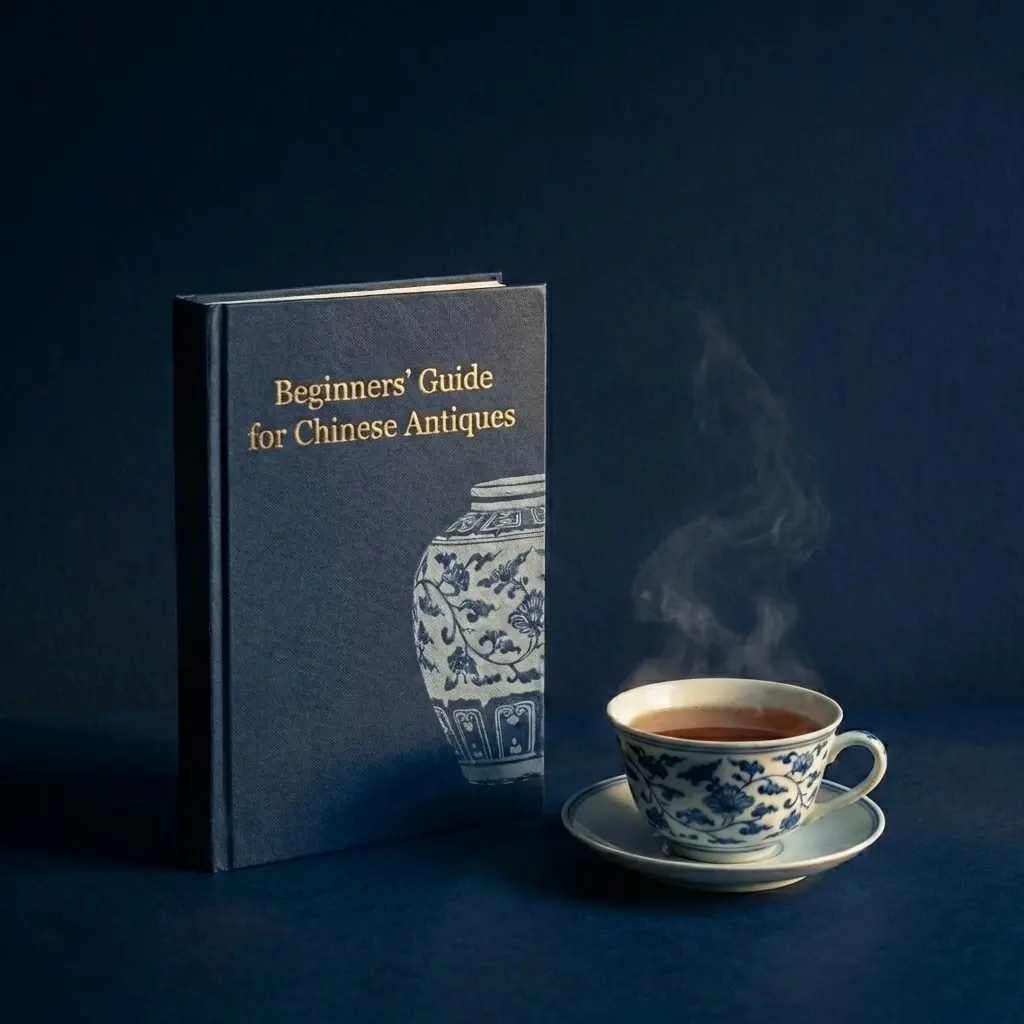
Train your own eye
Beginner’s Guide for Chinese Antiques
20+ authentication techniques, with high-resolution photos of real and fake side by side. Free updates forever.
 By Vin
Hi, this is Vin!
There are more fakes in the antique market than ever. The good news: most fakes are not clever. They fail the same few checks again and again, and this page is those checks.
Pick the piece up in good light, go through every check for its category, and count the red flags. One flag means look closer. Three or more, and I really hope you didn’t pay much for it lol.
01 · 瓷器
Porcelain is what you’ll run into most, and it’s where fakers work hardest. So it gets the most checks.
| # | Check this | Red flag |
|---|---|---|
| 1 | Glaze shineHold it under a light and look at the reflection. | Red flag: The reflection is sharp and glassy, like water or a mirror. Old glaze usually has a soft, slightly oily glow. (Dry and dull is a flag too, see the acid bath below.) |
| 2 | Foot rimTurn it over and feel the unglazed base. | Red flag: The edge feels sharp and fresh, the clay looks too new, the dirt or the orange-brown firing color looks painted on, or it smells of chemicals. |
| 3 | ShapeCompare the form with known pieces from the period it claims. | Red flag: The proportions are off, or parts of the shape belong to different periods. |
| 4 | Cobalt blueOn blue and white, look closely at the blue, ideally with a loupe. | Red flag: The blue doesn’t fit the era it claims. Xuande (1426–1435) blue often has dark, almost black spots where the cobalt pooled and sank into the glaze. Kangxi (1662–1722) blue is bright and clear, painted in several shades. A “Xuande” piece with flat, even blue, or with dark dots dabbed on in neat rows, is a warning. |
| 5 | PaintingLook at the brushwork and the motifs. | Red flag: The lines are slow and stiff, like someone tracing, or the motifs don’t match what that period liked to paint. |
| 6 | Reign markRead the characters on the base. | Red flag: The calligraphy looks stiff, badly spaced, or like someone copying very carefully. (If you’re into reign marks, I run another site just for them: ReignMarks.com.) |
A trick I see a lot: the acid bath. New porcelain has a harsh, glassy shine. Chinese collectors call it “thief light” (贼光). Fakers soak pieces in acid to kill it. The shine goes, but the glaze feels dry and a bit grippy instead of smooth and oily. Under a loupe it’s frosted evenly everywhere, even in corners no hand could reach. Real wear is fine scratches going every direction, mostly on the spots that touch tables and hands.
Another one: the married base (接老底). Some fakers cut the base off a broken old piece and join it to a new body, so the foot and the mark pass. Shine your phone light on the inside wall and look for a ring where the color or the glaze changes. Then run a finger around the lower body, inside and out, to feel for the seam.
02 · 铜器
Archaic bronze (Shang to Han) is a specialist field, sometimes a lab field. These three checks only catch the obvious fakes. Also, a Xuande mark on an incense burner dates nothing. Censers with that mark were made for centuries after Xuande, and still are.
| # | Check this | Red flag |
|---|---|---|
| 1 | PatinaLook closely at the surface layer. | Red flag: It looks pasty or unnaturally bright, or it flakes off like paint. Real patina grows out of the metal itself. It’s hard, and you can often see layers, like red under green and blue. (Pale green powder can be “bronze disease” on a real piece. That’s a different problem.) |
| 2 | InscriptionsLook at any characters on the surface. | Red flag: On a piece claiming to be Shang or Western Zhou, the characters were engraved (cut in) instead of cast (molded in). Cast strokes have soft, rounded bottoms, with patina running into them. Cut strokes are V-shaped with sharp tool marks. |
| 3 | CorrosionLook at how the aging spreads over the whole piece. | Red flag: Every part has exactly the same amount of corrosion. Real burial corrosion is patchy and changes from one area to the next. |
03 · 玉石
Jade comes with two separate questions, and people mix them up all the time. Is it jade at all? And is it old? A piece can be real jade carved last year.
| # | Check this | Red flag |
|---|---|---|
| 1 | HardnessCan a steel knife scratch it? Test a hidden spot, and ask first if it isn’t yours haha. | Red flag: The knife leaves a scratch. A normal knife blade is about 5.5 on the Mohs scale. Nephrite is about 6–6.5 and jadeite about 6.5–7, so a scratch means soapstone, serpentine, marble, resin or something else soft. Rub the line first: a grey metal streak from the knife wipes off, a scratch doesn’t. |
| 2 | TemperatureHold it in your palm for a minute. | Red flag: It warms up almost instantly, like plastic or resin. Jade feels cool at first and warms slowly. This only separates stone from plastic, since glass and other stones feel cool too. |
| 3 | Luster and bubblesLook at the sheen, then look inside with a loupe. | Red flag: Round gas bubbles inside mean glass or resin. Jade never has them. And be careful if a piece sold as nephrite looks glassy like candy: nephrite, the jade of most old Chinese carvings, has a waxy, slightly greasy glow. (Jadeite, 翡翠, only became common in China in the 18th century, and its glassy shine is normal.) |
Passing Step 1 doesn’t prove it’s jade. Quartzite and a lot of glass pass the knife test too. Failing one is a strong flag though.
| # | Check this | Red flag |
|---|---|---|
| 4 | Tool marksLook at cuts, lines and drill holes, ideally under a loupe. | Red flag: Perfectly even lines, straight clean drill holes, exact parallels and perfect circles. Old holes were often drilled from both sides and meet in the middle, like an hourglass. (This one can mislead you tbh, some old carvers really did cut perfect circles. Don’t judge on it alone.) |
| 5 | Style and motifDoes the design belong to one period? | Red flag: It mixes motifs and symbols from different dynasties on one piece. |
| 6 | Burial signsOn a piece sold as excavated, look at the white chalky areas (calcification) and the color changes. | Red flag: Too white and too even all over, or the color sits in the carved lines and cracks with hard edges, like dye. Real burial color usually fades gradually into the stone. (Most Ming and Qing jade was never buried, so a clean surface is normal there.) |
04 · 木器
Classical Chinese furniture is held together by mortise and tenon joints (榫卯) plus a little traditional fish glue (鳔胶). No screws, and no nails in the joints. That one fact catches a lot of fakes.
| # | Check this | Red flag |
|---|---|---|
| 1 | JoineryLook at how the parts connect, including underneath and at the back. | Red flag: Screws, machine-made wire nails, or modern white or yellow wood glue in the joints. (Old hand-forged nails are square with uneven heads, and can be honest old repairs.) |
| 2 | SurfaceRun your hand over it. | Red flag: A thick, plastic-like coat of modern varnish sitting on top of the wood, instead of a deep, silky sheen built up over years. |
| 3 | WearCheck where it’s worn. | Red flag: Wear in places hands and feet barely touch, or wear spread evenly over everything. Real wear follows use: armrests, footrests, drawer edges. |
| 4 | WoodLook at the grain under strong light. | Red flag: The grain doesn’t match the wood it’s sold as, like huanghuali or zitan. A lot of “huanghuali” is a cheaper rosewood. |
05 · 钱币
Common cash coins are cheap enough to buy by the string, and fakes are made by the bucket, from the cheapest types to the rare ones.
| # | Check this | Red flag |
|---|---|---|
| 1 | CalligraphyLook at the characters. | Red flag: Modern-looking fonts, wrong proportions, a style that’s off for the reign, or soft, blurry strokes. Fakes cast from a real coin come out blurry and slightly smaller. |
| 2 | PatinaIs the aging from burial or from circulation? | Red flag: A pasty crust that looks glued on, or one flat color sitting on top of the metal. Real patina is part of the surface and varies in color. |
| 3 | Rim and edgeLook at how the edge was finished. | Red flag: A crisp, machine-perfect edge on a coin that should be cast. Traditional cash coins were cast in molds and their edges filed by hand, so you see file marks and small casting flaws. Machine-struck cash only started in the late Qing, from about 1889. |
| 4 | WearIs it consistent with age? | Red flag: Worn evenly everywhere, or crisp and unworn under a heavy “old” crust. Real wear hits the high points first: the rim and the raised characters. |
No. The mark is the easiest part to copy. Even Qing potters put Ming marks on their pieces, so a Ming mark can sit on a real Qing piece, and modern fakers copy marks all day. Judge the piece first: glaze, foot rim, shape, painting. Then see if the calligraphy of the mark fits. A good mark on a bad piece is still a bad piece. (If you want to go deeper on marks, I run a whole site on them: ReignMarks.com.)
Thief light (贼光, zéi guāng) is the harsh, glassy shine of newly fired glaze, like a mirror. Old glaze usually has what collectors call precious light (宝光, bǎo guāng), a soft, slightly oily glow. Fakers kill the new shine with an acid bath, but that leaves the glaze dry and dull, which is a red flag too.
Both are real jade. They’re two different minerals that ended up under one name. Nephrite has a waxy, slightly greasy glow, and most old Chinese jade carvings are nephrite. Jadeite (翡翠) is glassier, and only arrived in China in quantity in the late 1700s, so a jadeite carving sold as Ming is a big red flag on its own. Both are still carved in huge numbers today (Henan is now the biggest jade trading hub in China), so real jade tells you nothing about age.
No, not the one that comes in the box. Anyone can print those, and I usually ignore them. A report from a real gem lab is different: for jade it can tell you the material and whether it was treated, like dyed or bleached jadeite. But no lab report can tell you how old a carving is.
Not always. Big auction houses have a much better hit rate than flea markets, but replicas still slip through, especially with bronze. Read the catalog wording carefully: “Qing dynasty” and “in Qing style” are very different promises. And if it’s a lot of money, use a broker you really trust to check the piece for you, so you don’t walk into a trap.
Often, yes, at least to rule a fake out. Most replicas give themselves away in clear close-ups of the glaze, the base, the painting and the mark. Shoot in daylight, show every side and the bottom, and get close. Calling a piece genuine is harder, since photos can’t show how the glaze feels or how heavy the piece is, so a borderline piece sometimes needs to be seen in person.
Anywhere from free to several hundred dollars, depending on who checks it. My appraisal is $89 per piece: you send photos, and you’ll usually have my answer within 2 days. Auction houses often look for free if you might sell through them. A thermoluminescence (TL) test runs about $250–750 per piece, and I usually don’t recommend it. A small sample has to be drilled out of the piece, the result only tells you roughly when the clay was last fired, and it’s less reliable on porcelain than on pottery. Fakers can fool it too, by irradiating new pieces or using old bases. For most pieces, the test costs more than it can prove.
Honestly, it’s simple: markets, books and auctions. Go to markets as often as you can and handle as many pieces as you can, but don’t buy. Look a lot, buy little. Resist the urge to score a steal (捡漏), and be more humble and careful with every piece, not less. Read old auction catalogs and reference books to build a real foundation. Then go to auctions and take part for real. Theory never sticks the way your own experience does.
It can help you spot obvious reproductions fast, and tell you which pieces deserve a closer look.
It can’t tell you a piece is genuine. Authentication depends on seeing the differences on the actual piece, in good light, side by side with pieces you know.
Leave your email and I’ll send you a 15% code for my Beginner’s Guide, plus a copy of this checklist so you can pull it up at the market.
No spam. Unsubscribe anytime.
Almost there! Check your inbox and confirm your email. The code comes right after.
Hmm, that didn’t go through. Try again, or DM me on Instagram.
20+ authentication techniques, with high-resolution photos of real and fake side by side. Free updates forever.
Got one piece you need an answer on? Send me photos and I’ll give it a proper read. Spots each week are limited, and you’ll usually have my answer within 2 days.
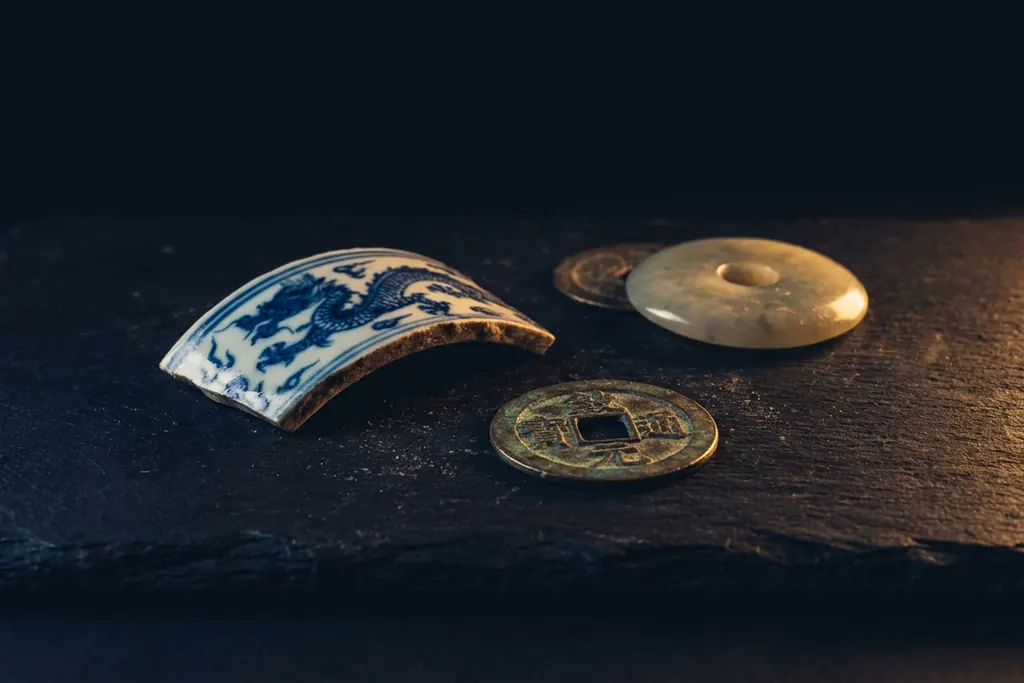
Standing in a market, not sure about a piece? Send it to the club and get a quick check from me and other hunters before you buy. It’s a small private group, on purpose.
Happy hunting!
Find me on Instagram, TikTok and YouTube @AntiqueScavengerVin Last updated