- 331 likes
- 62 comments
- 1 reposts
- 11 shares
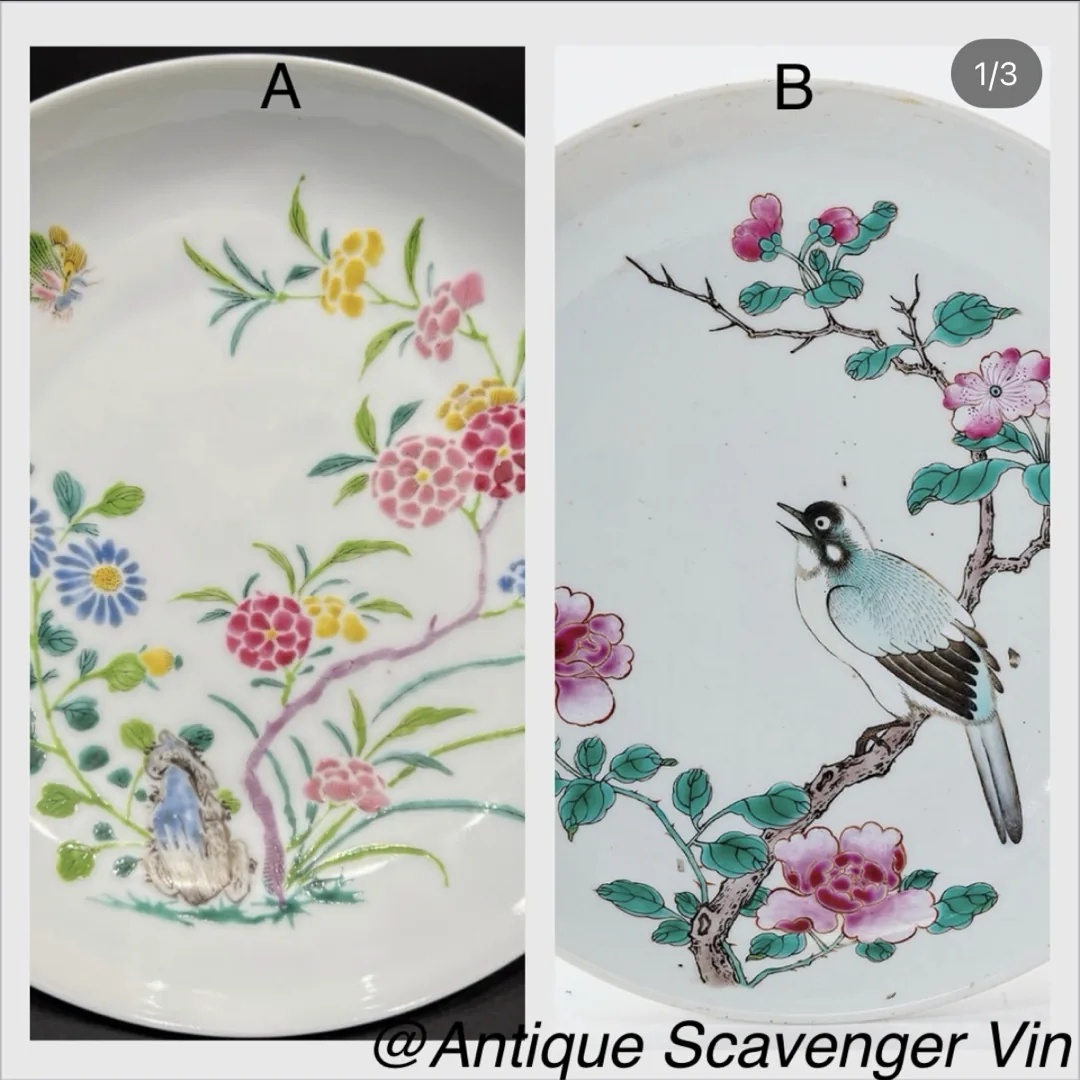
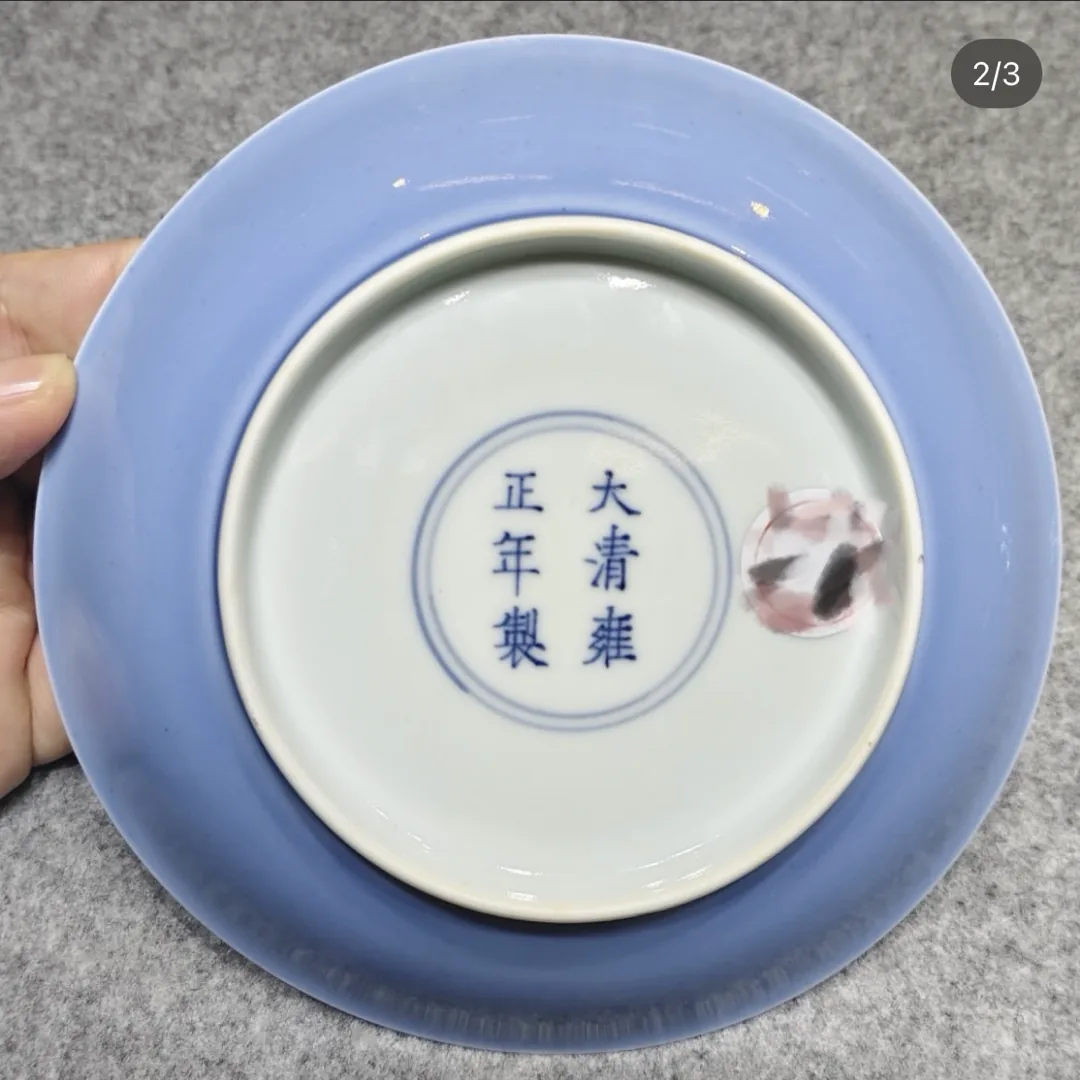
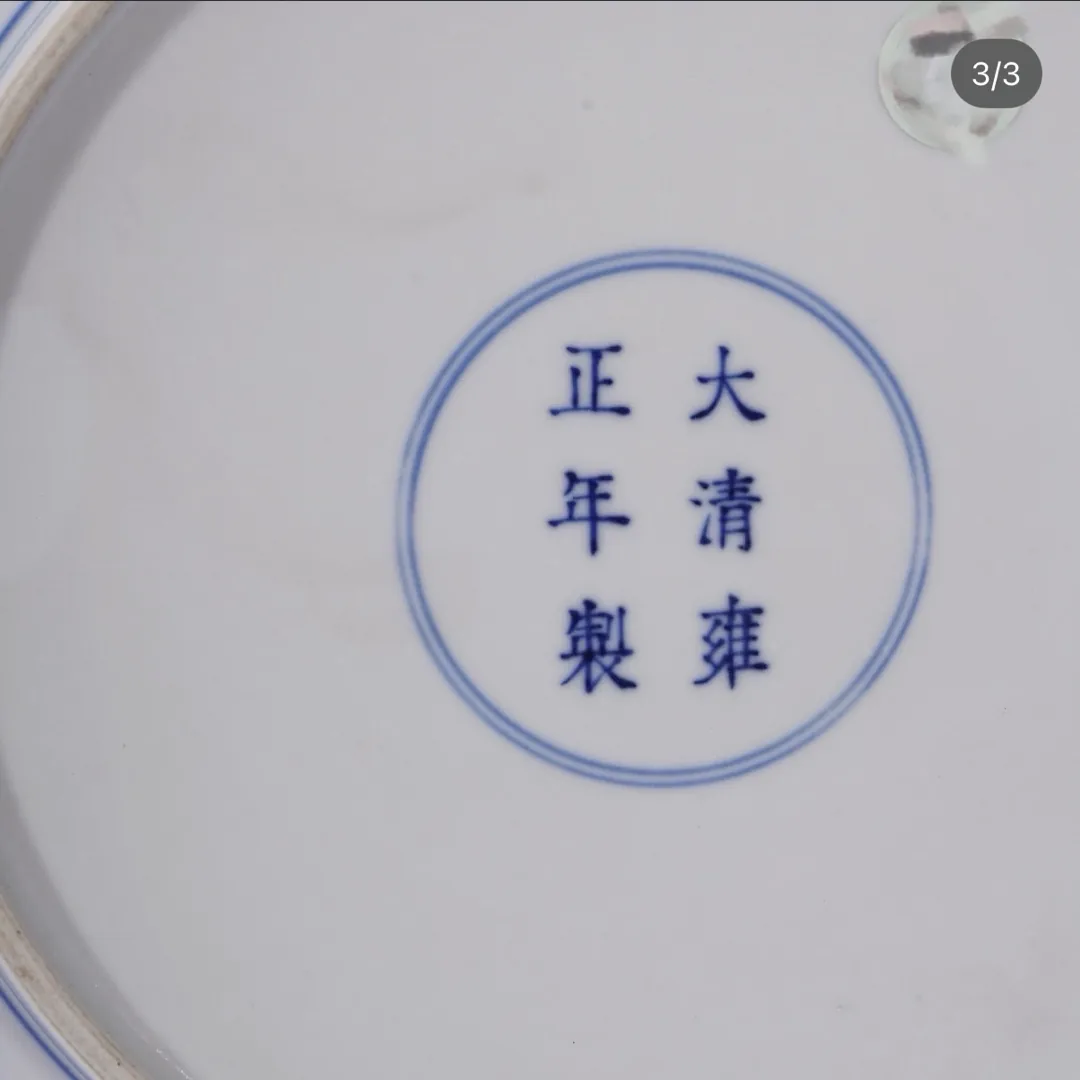
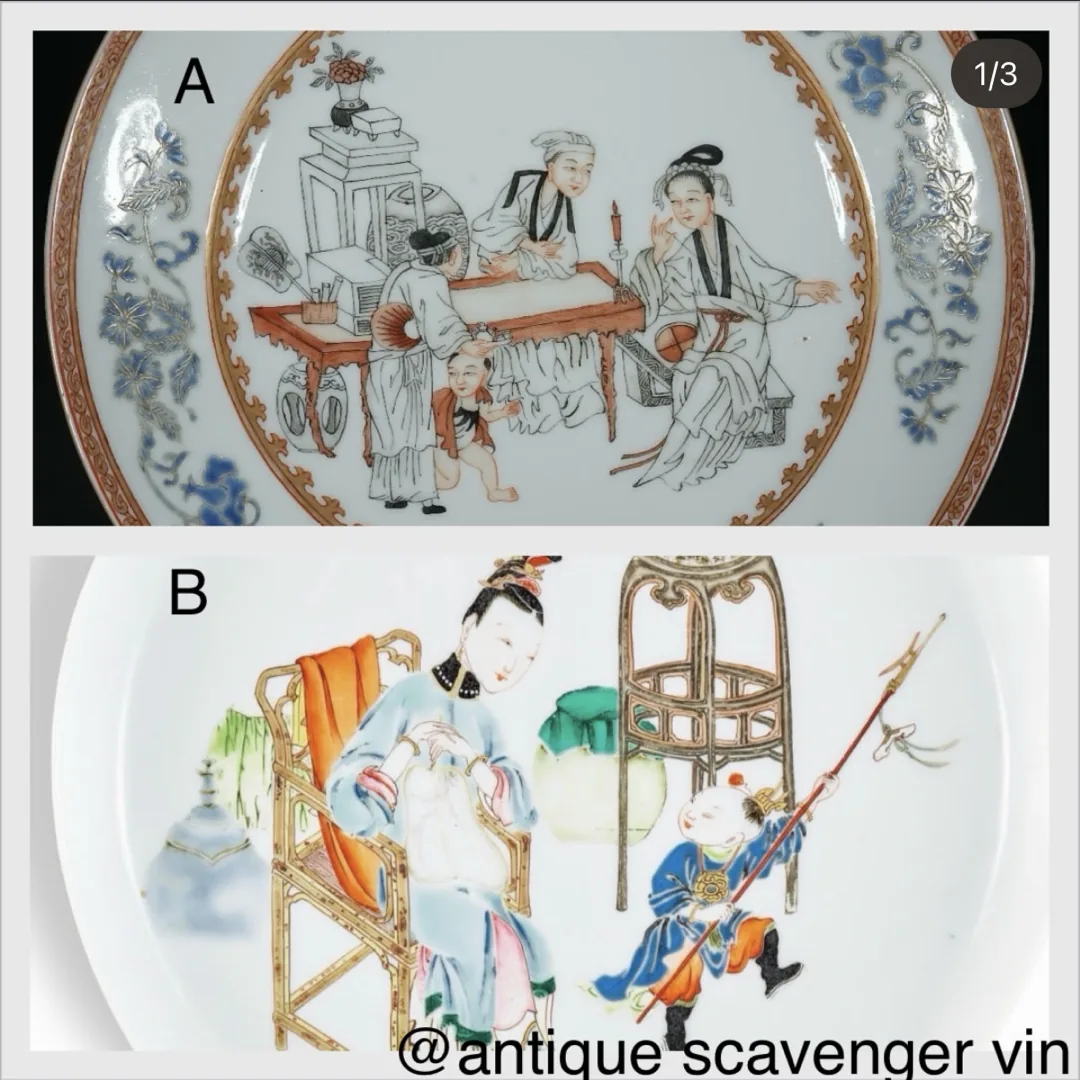
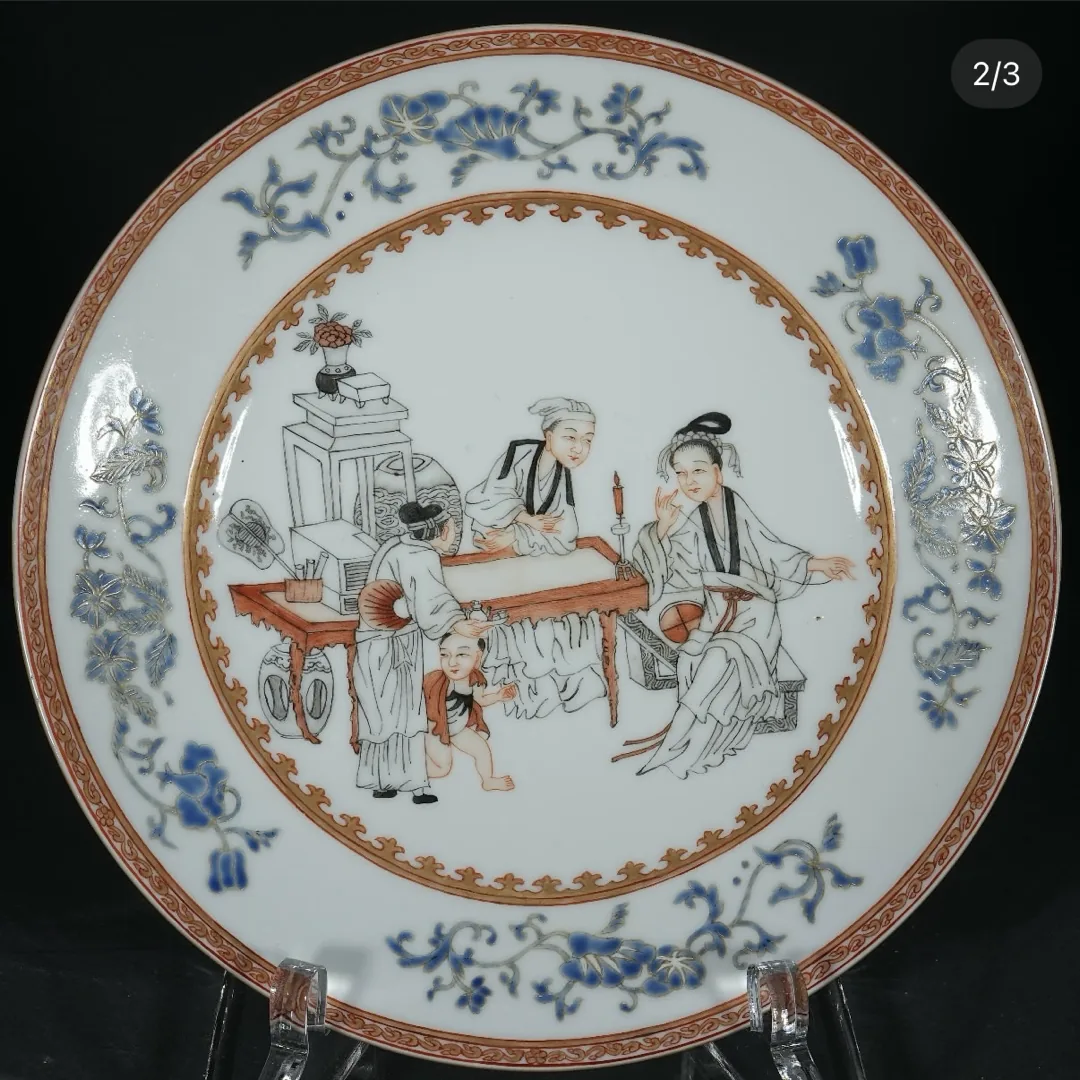
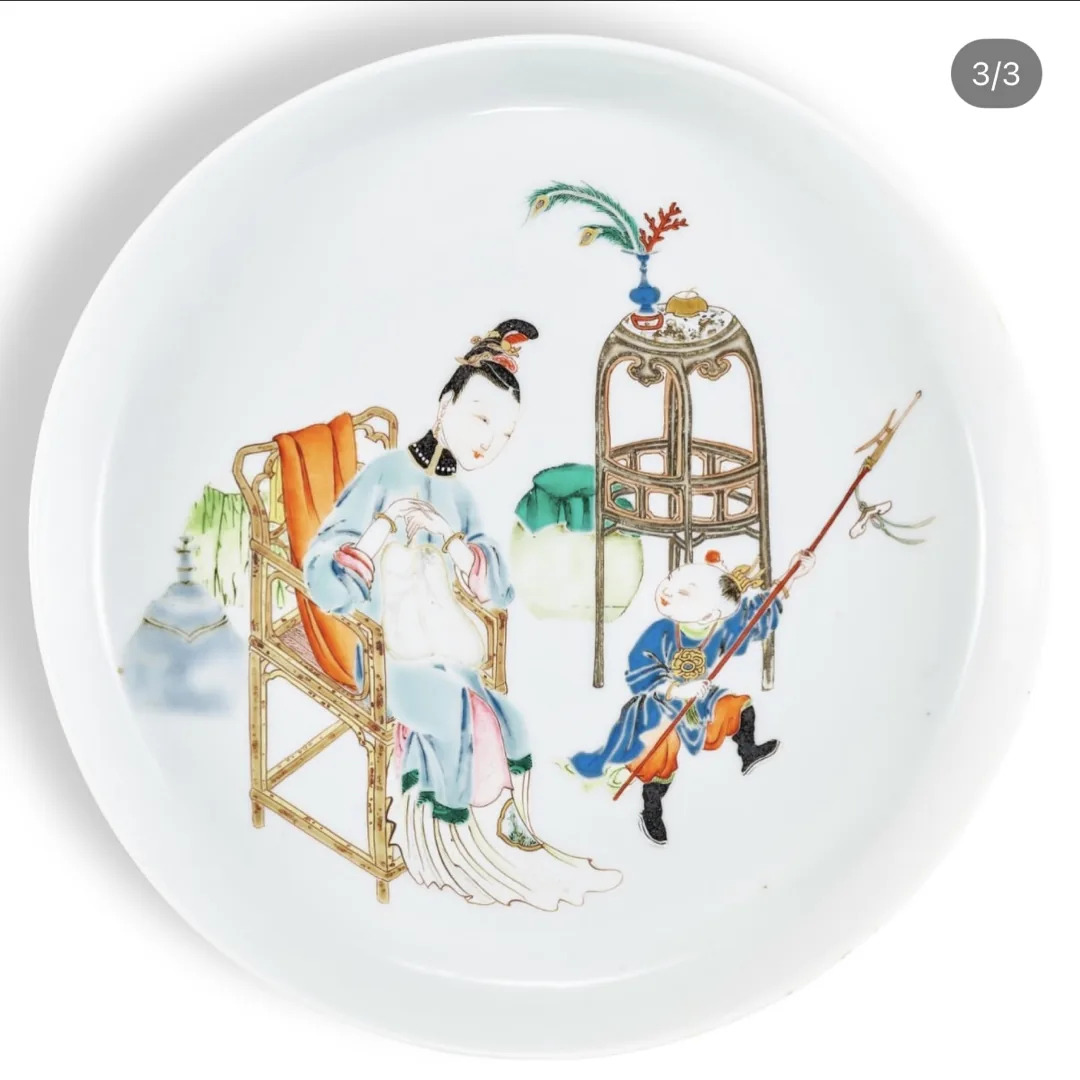
antiquescavengervin [Train the eyes vol.9] welcome to our weekly antique challenge! Here are two famille rose plates from early Qing dynasty, Yongzheng era, which one is authentic?
Which one is authentic?
Two pieces, one is real. Make your pick, then see what I saw.
Hi, this is Vin!
Every week on Instagram I post a little challenge: two pieces side by side, and only one of them is authentic. These are the cases so far, with the answers I gave in the comments. Swipe through the photos, pick A or B, and then check my reasoning.
antiquescavengervin [Train the eyes vol.9] welcome to our weekly antique challenge! Here are two famille rose plates from early Qing dynasty, Yongzheng era, which one is authentic?
Which one is authentic?
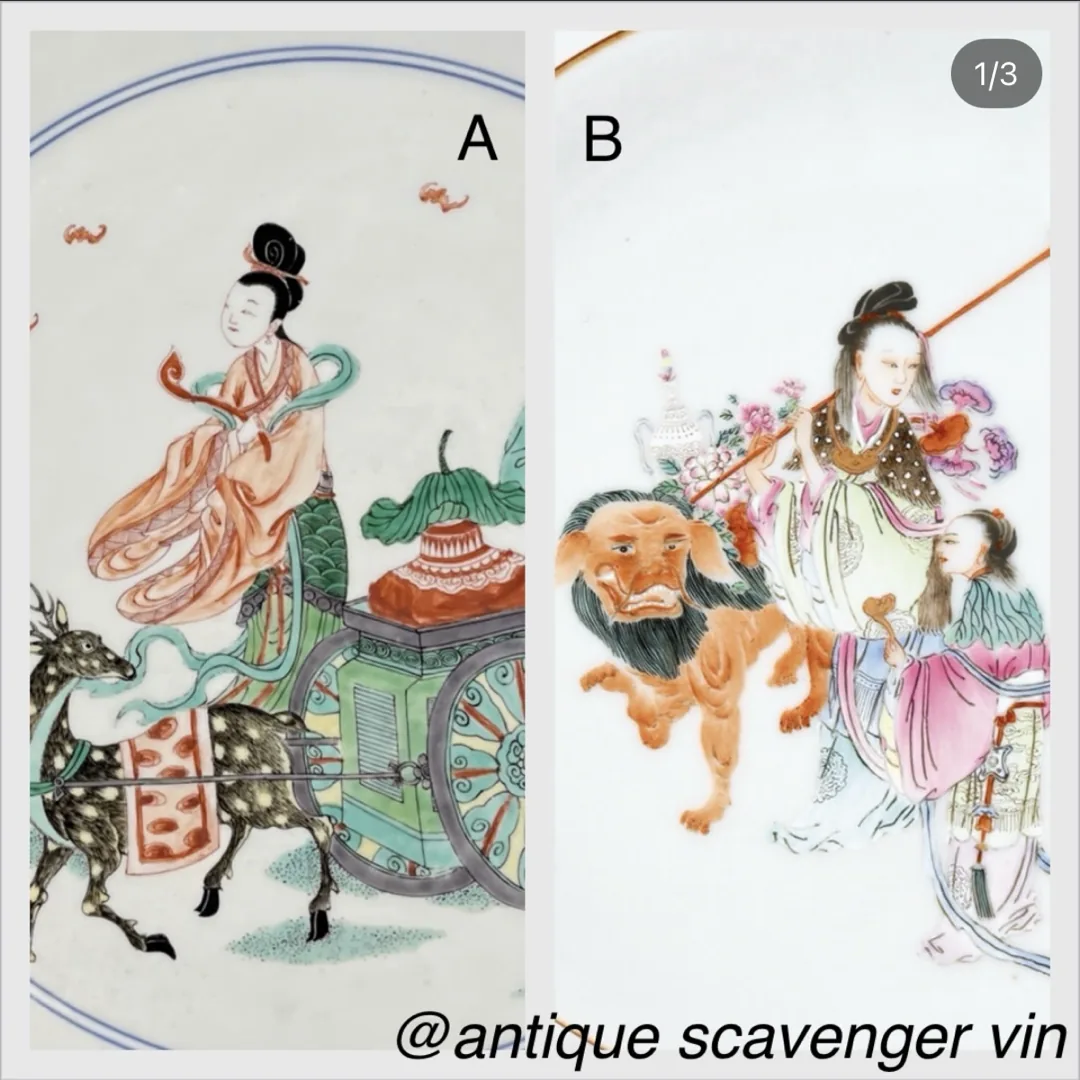
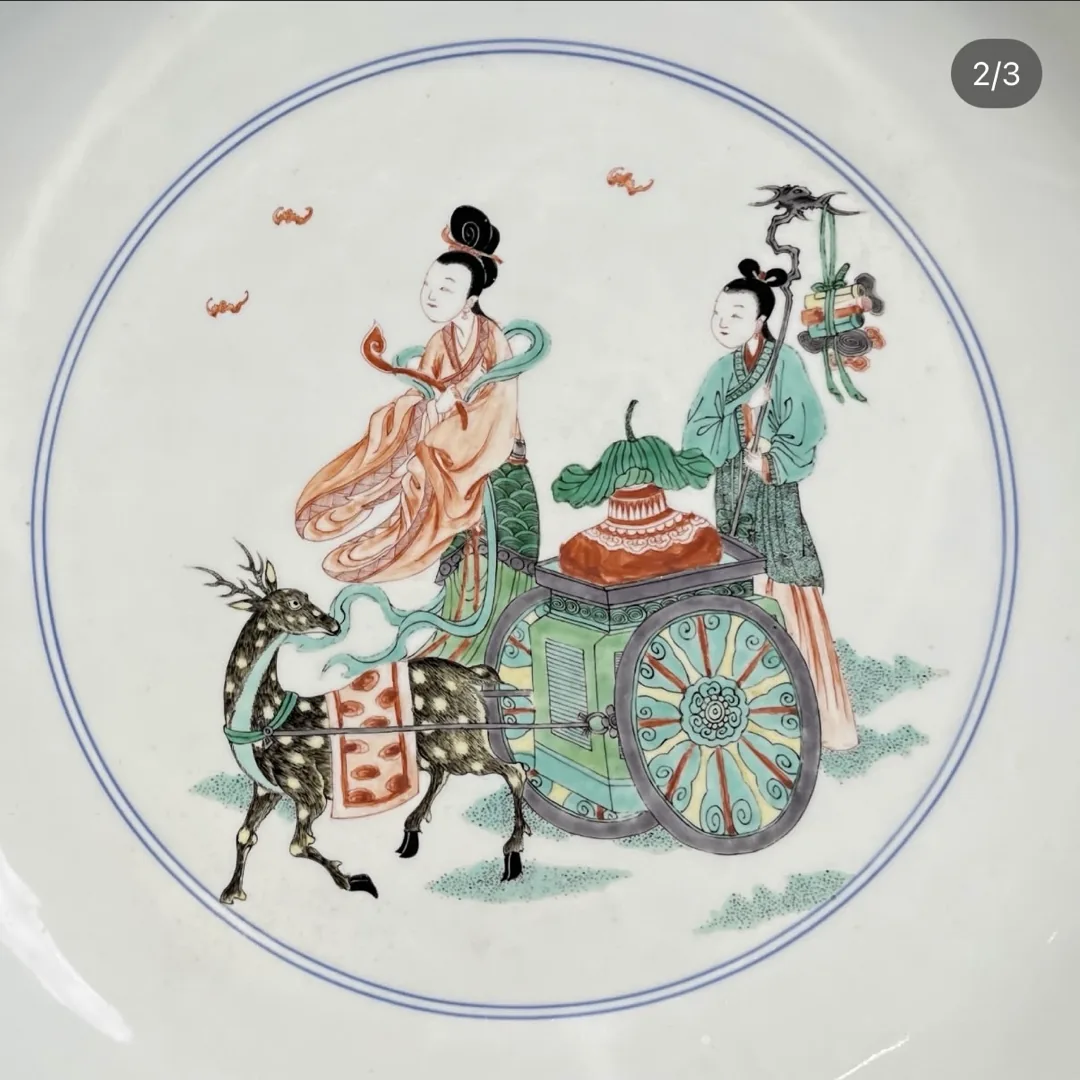
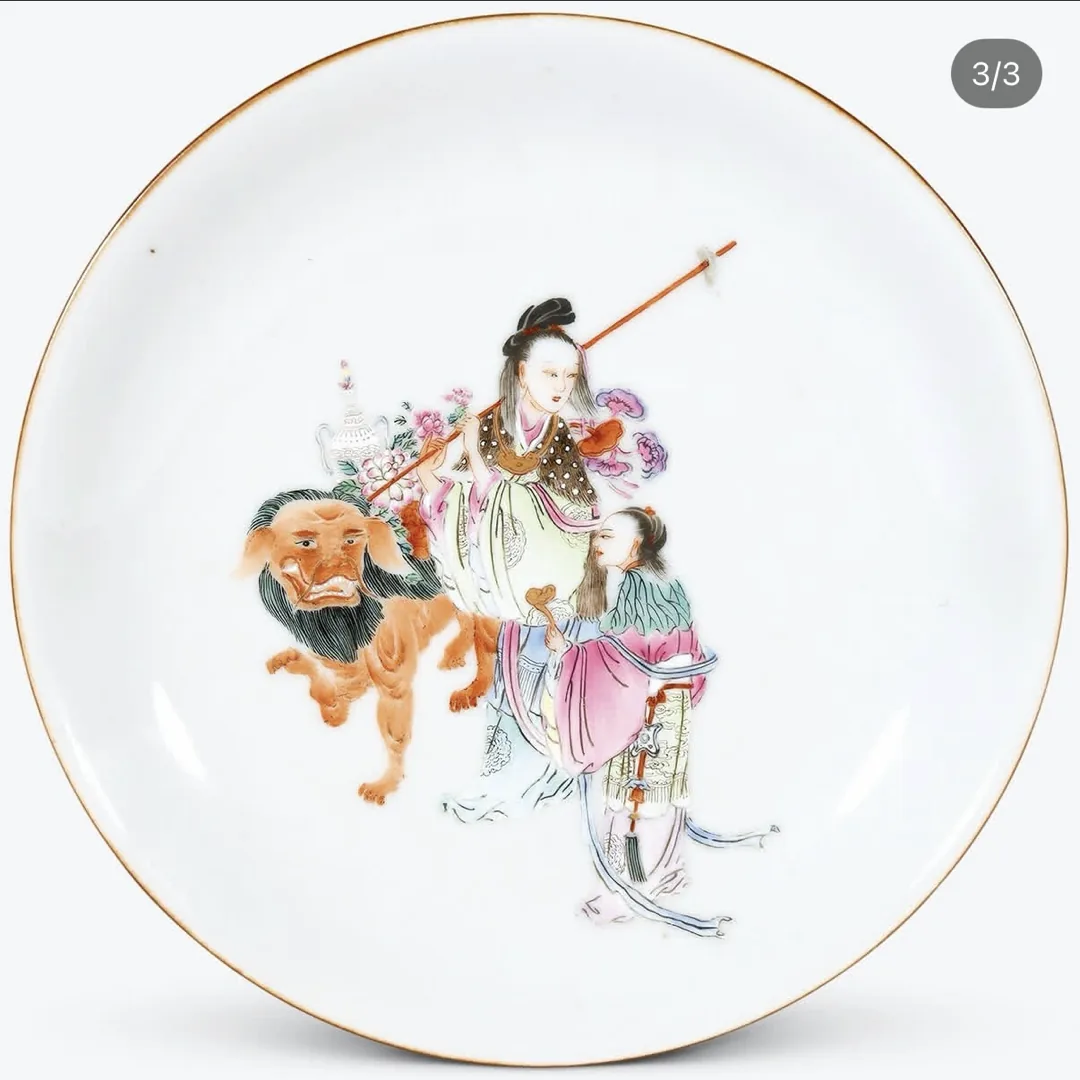
antiquescavengervin [Train the eyes vol.7] welcome to our weekly antique challenge! Here are two plates from early-Qing dynasty (1710s) which one is authentic?
Which one is authentic?
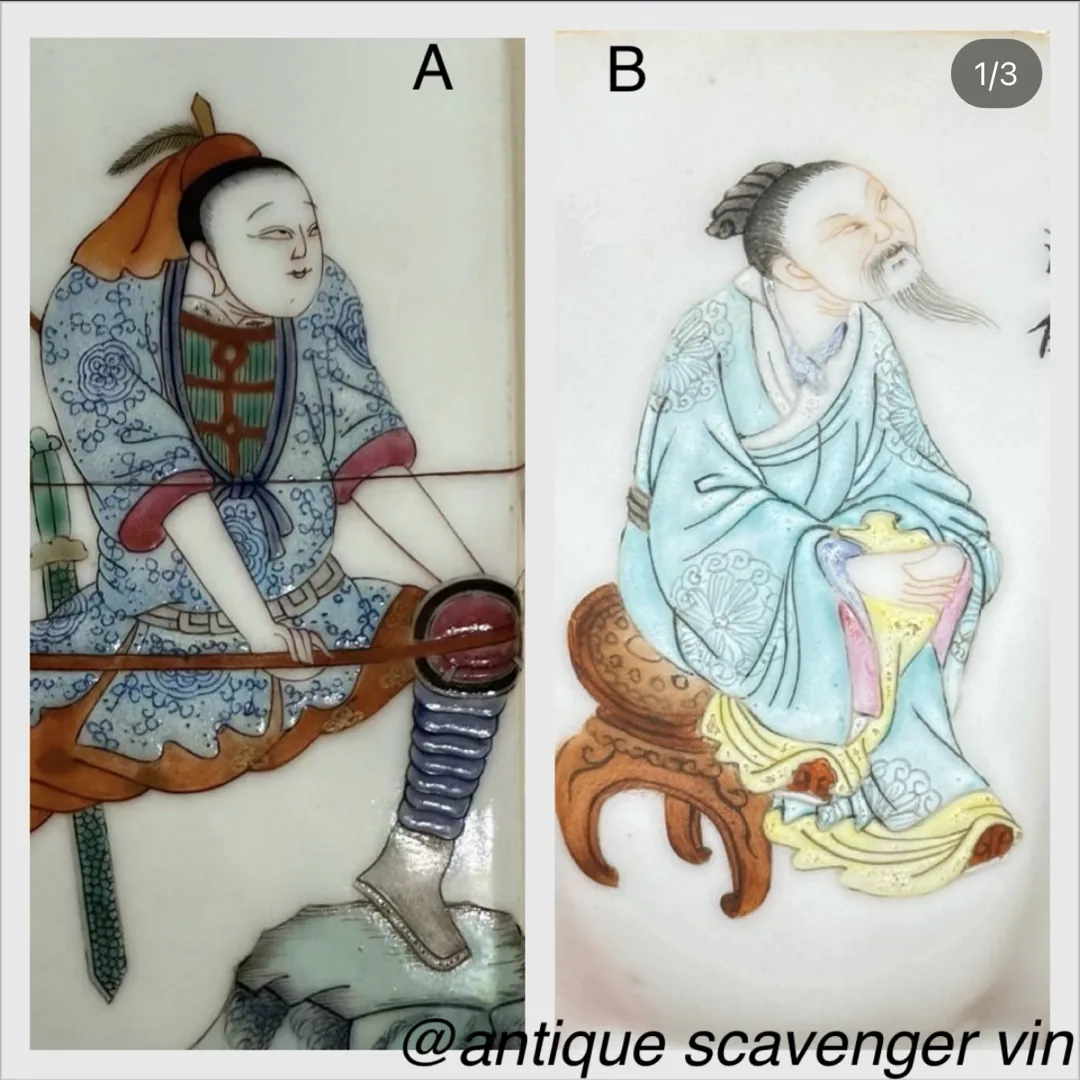
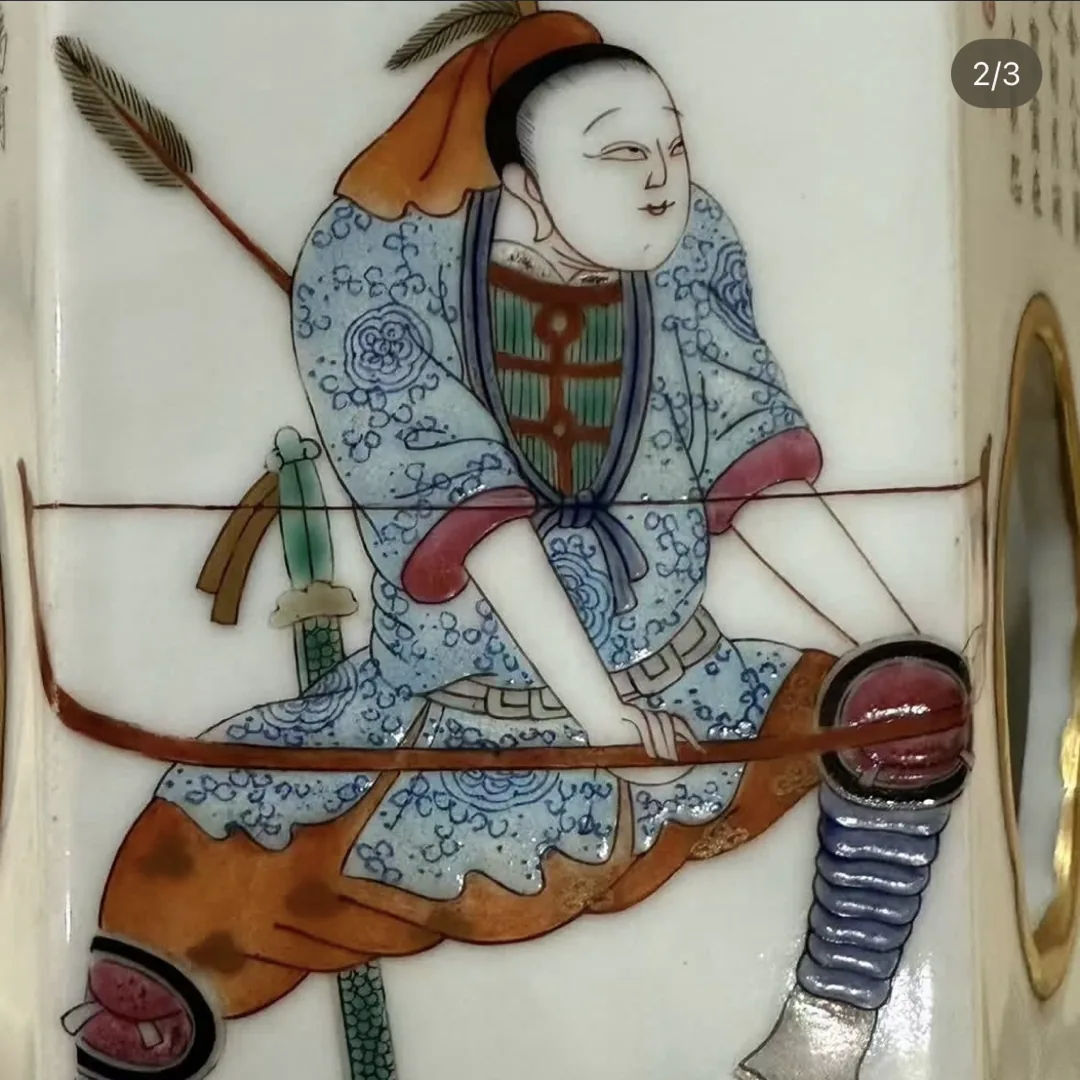
Thanks for the participation guys! This one seems to baffle a lot, A is the authentic one, and allow me to share my reasoning here:
1. Firstly look at the difference between the plates, A is WuCai(五彩), B is famille rose(粉彩). Famille rose was invented only at the end of Kangxi era, and become so popular in Yongzheng era
2. All two plates claim they are from early Qing, thus at a glance A is from Kangxi, and B is from Yongzheng.
3. So the era has been decided, next step is the authenticity. Actually B’s painting techniques of the figures are totally different from Yongzheng style, especially the faces. If you compare the “eyes” on B with earlier posts I shared on Yongzheng famille rose, guess you could also spot the difference :) it does not fit the aesthetic style and painting conventions in 1730s.
4. A is actually a photo I took last year at an auction, that huge plate was sold at around 900K CNY in the end. The reason why I took this photo is because I was fascinated by the illustration of the curves and folds in the clothings. You can also compare B’s clothing, the gap is obvious :)
5. B is a pic my friend shared with me, she thinks it is a later piece from republic era imitating Yongzheng style. From this photo only without seeing the rim I cannot make a final call, but it is definitely not early-Qing, and is way younger.
Hope these information helps! Need a free cheatsheet on authentication? Get it on my website! Next week let’s try something more abstract 🔥
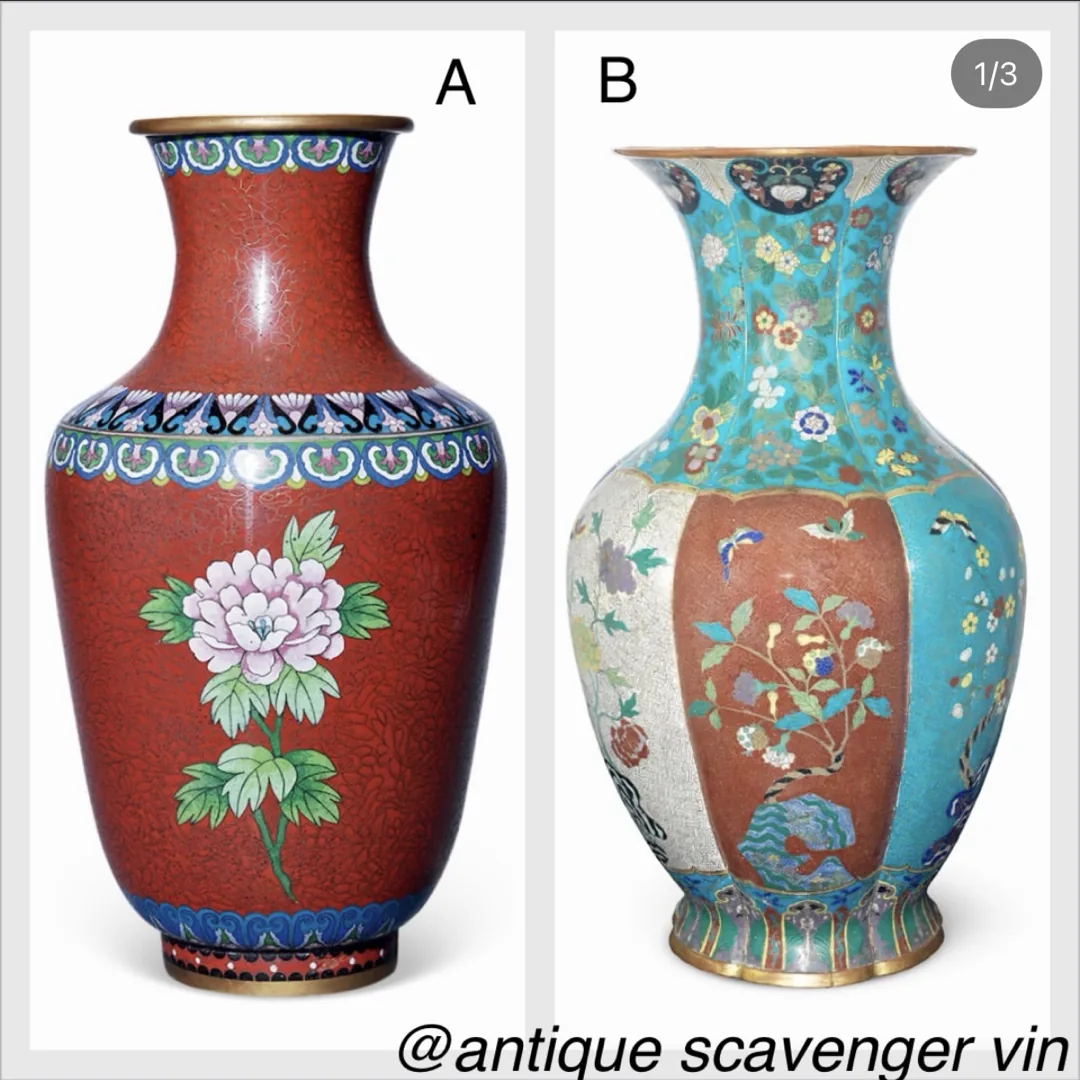
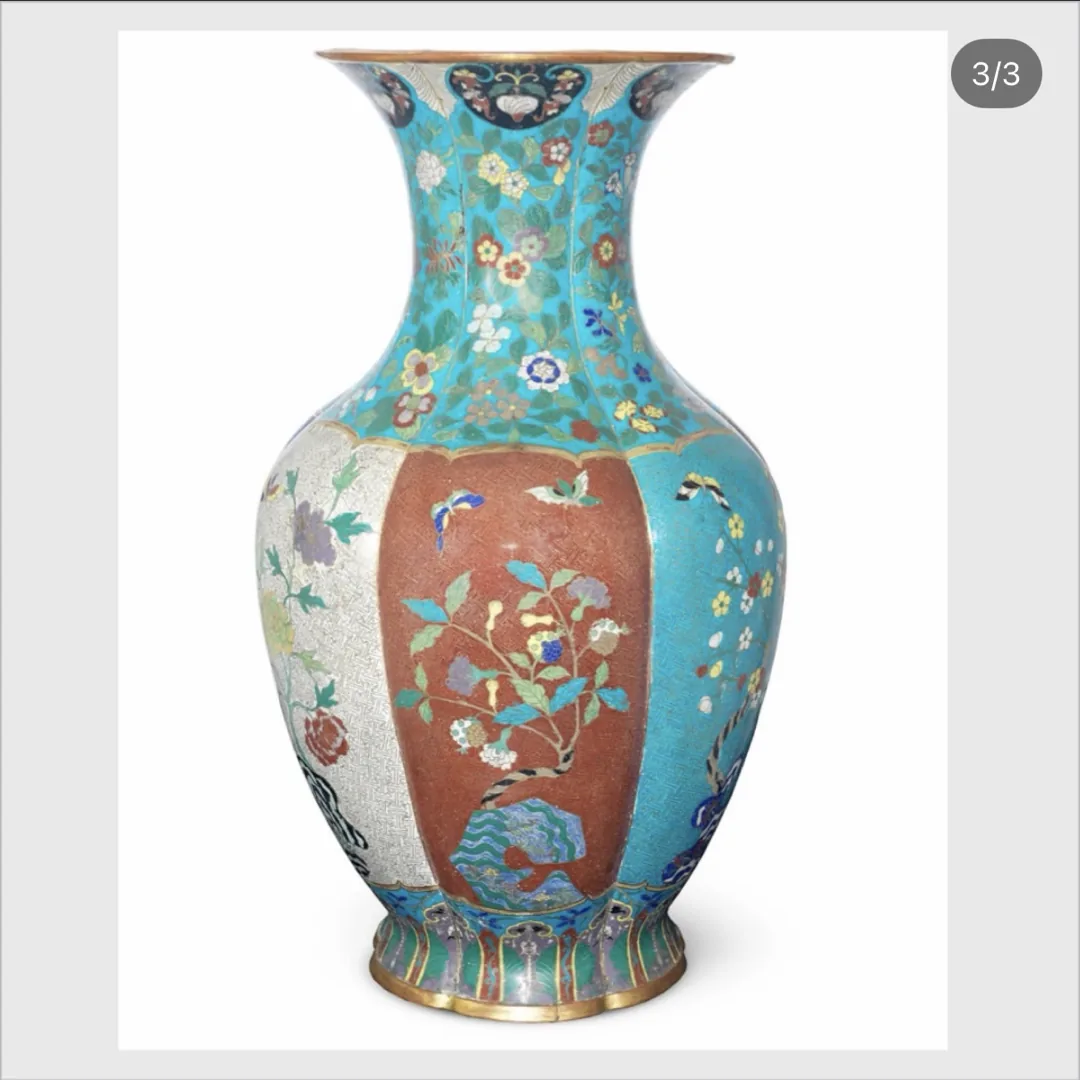
antiquescavengervin [Train the eyes vol.6] welcome to our weekly antique challenge! Here are two cloisonné vases, one is from 1960s and one is from mid-Qing, which one is older?
Which one is older?
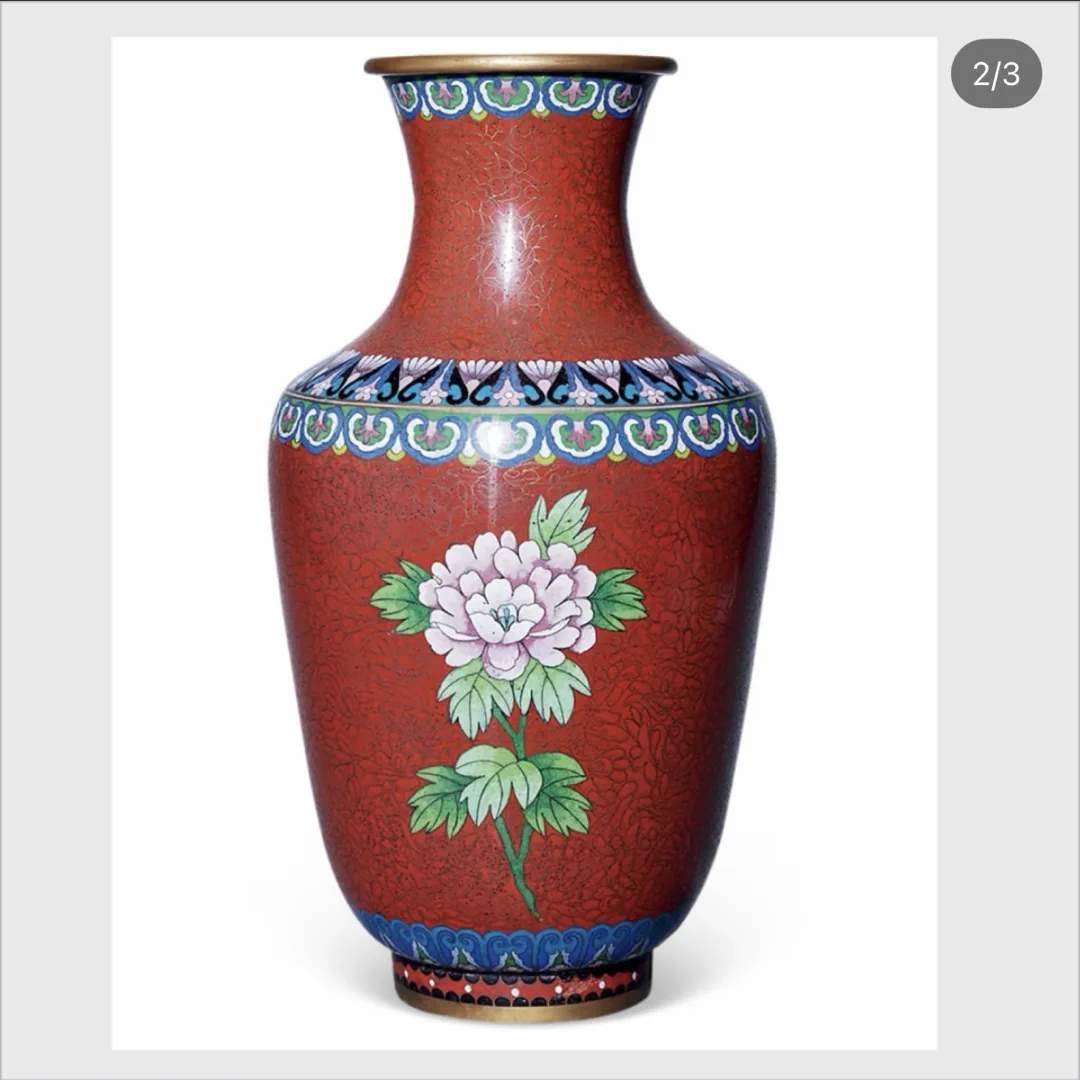
Thanks for the participation! Looks like the majority of us got it correct 👍 , and yes, B is older. Still, allow me to share more on how I make a quick call:
1. Firstly we need to understand how cloisonné are made. Usually fine copper wires are bent into patterns, attached to the body, and then filled in with enamel pigment.
2. Since early enamel colors were less stable during firing, achieving multiple colors within a single “cell”, especially creating a smooth graduated effect” would be hard
3. On modern pieces, since the materials are more stable and easy to control, also the aesthetic preference shift to a more pictorial style, having different enamel colors in a single cell becomes easier and popular. (Which is exactly what A presents with the flower and the leaves)
4. So this is the small tip I often use to make quick calls on cloisonné: see if there is natural blended effect with different colors in one single cell.
5. This is not 100% correct(since delicate pieces from Qing can also present this effect, but the way how colors are blended is totally different), but could be quite useful to rule out a lot of 1960-1980 pieces.
6. A systematic authentication on cloisonné always need to take a look at its body, its wires, its enamel combination and the aging, will share more later! If you are interested in more knowledge about Chinese antiques, can also check the beginner’s guide on my website
Think I need to will raise the difficulty level next week! 👏
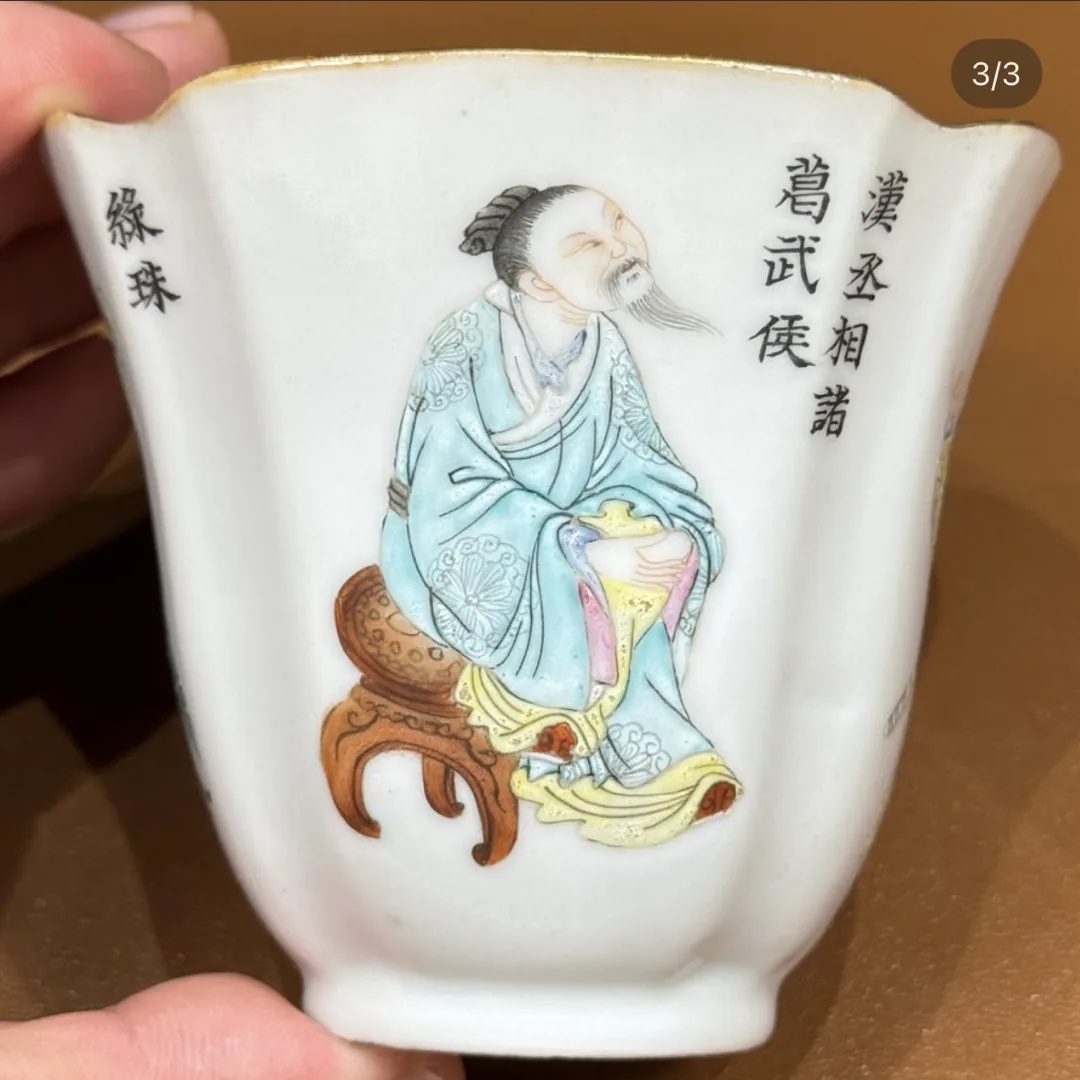
antiquescavengervin [Train the eyes vol.5] Welcome to our weekly antique challenge! Here are two famille rose from mid-Qing dynasty (1820s), which one is authentic?
Which one is authentic?
Thanks for the participation! And allow me to share my thoughts: B is authentic.
For famille rose porcelains with figures, two major aspects can determine the authenticity: the pigment and the aesthetic standards.
For pigment, firstly make sure it is mineral-based instead of modern chemical ones(A actually did quite well on this though). Second is the signs of aging. This could include discontinuous appearance on the outlines, or “scaly patches” on the surface. (A totally failed this one)
Nowadays counterfeiting is more advanced, and some pieces can do 99% right on the pigment. That is the moment when we need to turn to aesthetic standards to rule them out. Can take a closer look at the hair of both A and B, and think you could already spot the difference.
Some said the name is wrongly separated on B, which is actually very common in traditional calligraphy. The last line of old calligraphy is always customarily left with blank space, in chinese it is called “留空蓄势”, or “poised finish”
Actually I have some history with B haha. I met this pair of cups around ten years ago on a Beijing auction. And I met them again last year in Shanghai. I recognized them at a glance but did not win them(regretting already). May need to wait for the next time meeting them again 😭
Let me know if there is more you want to discuss! If you have pieces need an extra pair of eyes, can also reserve a slot on my website 🤓
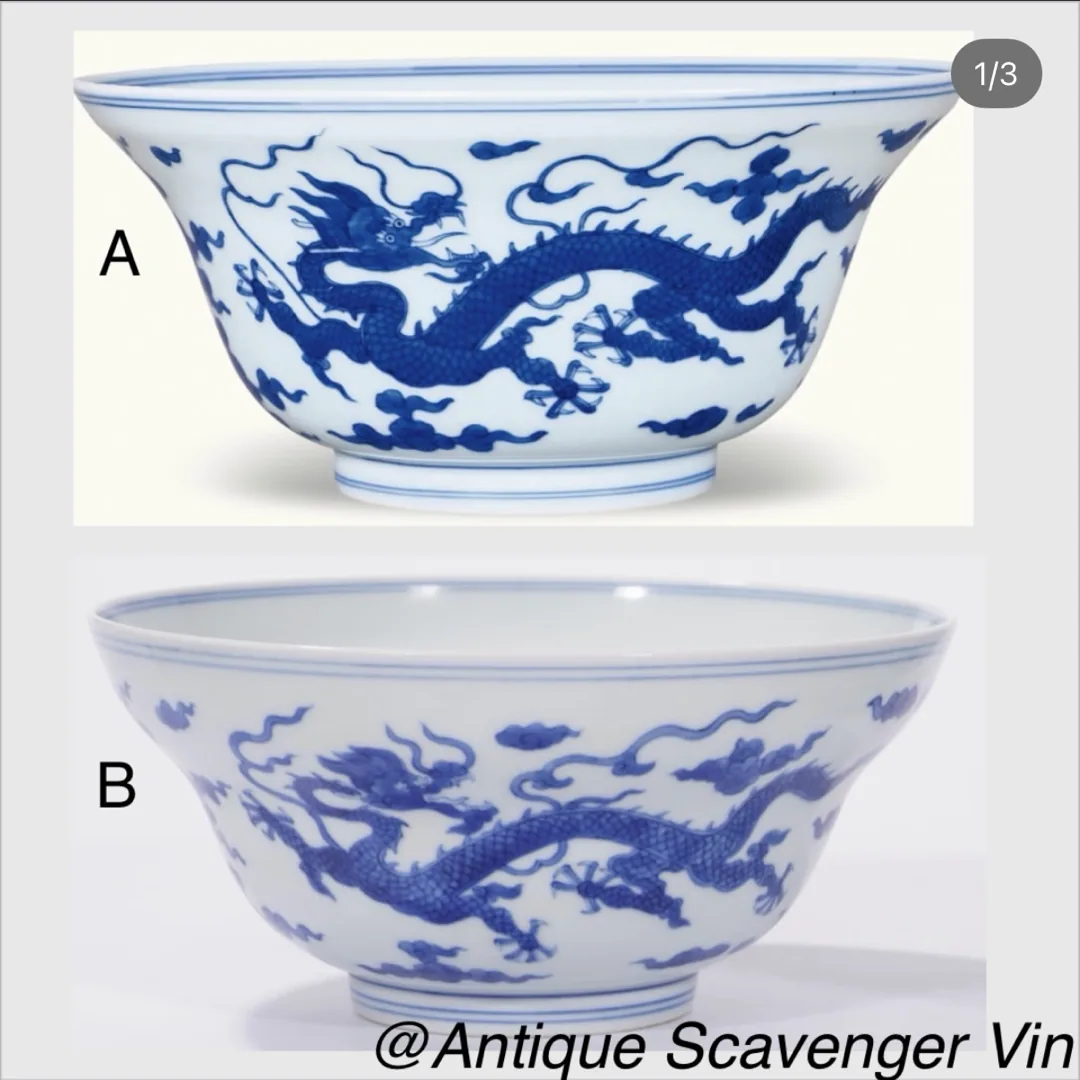
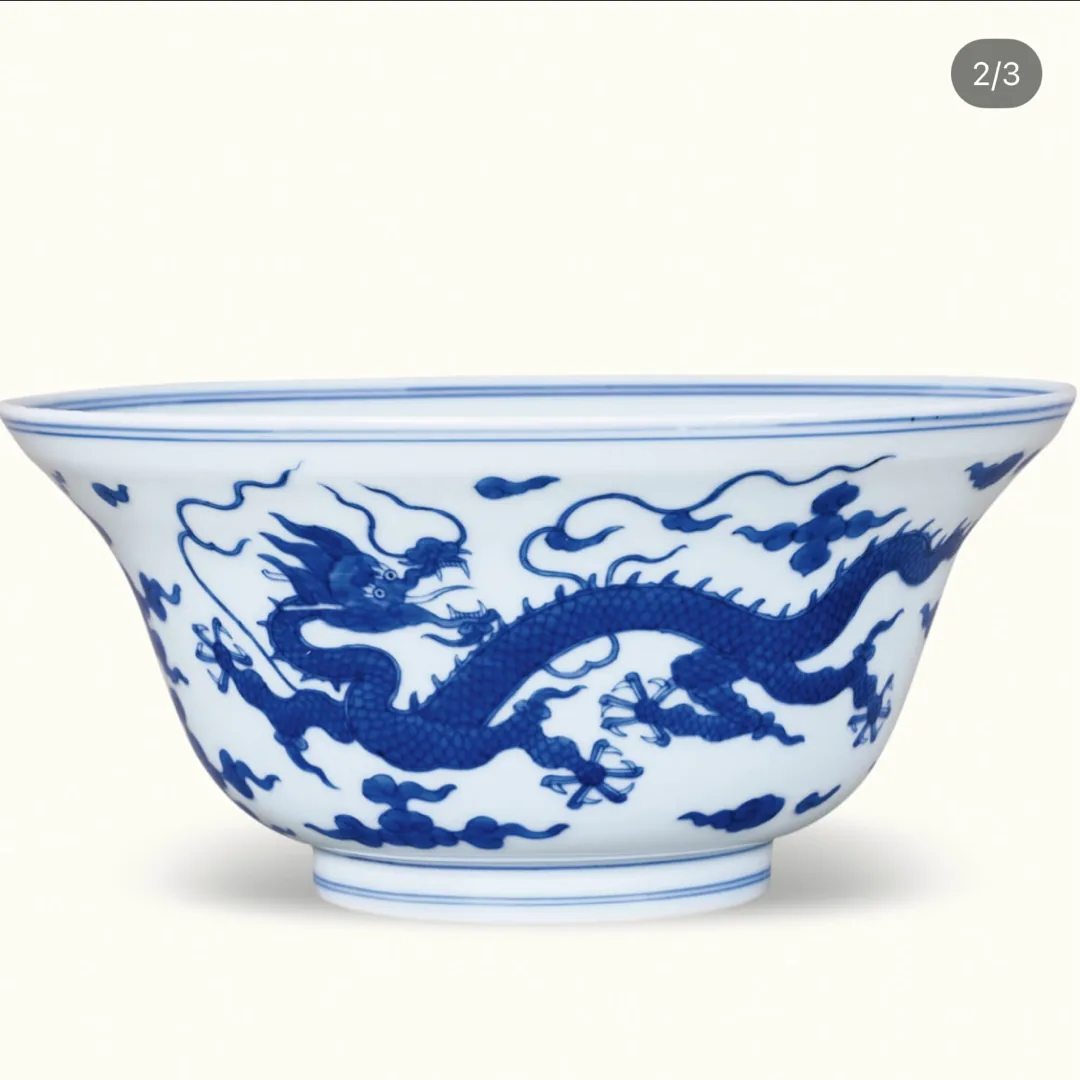
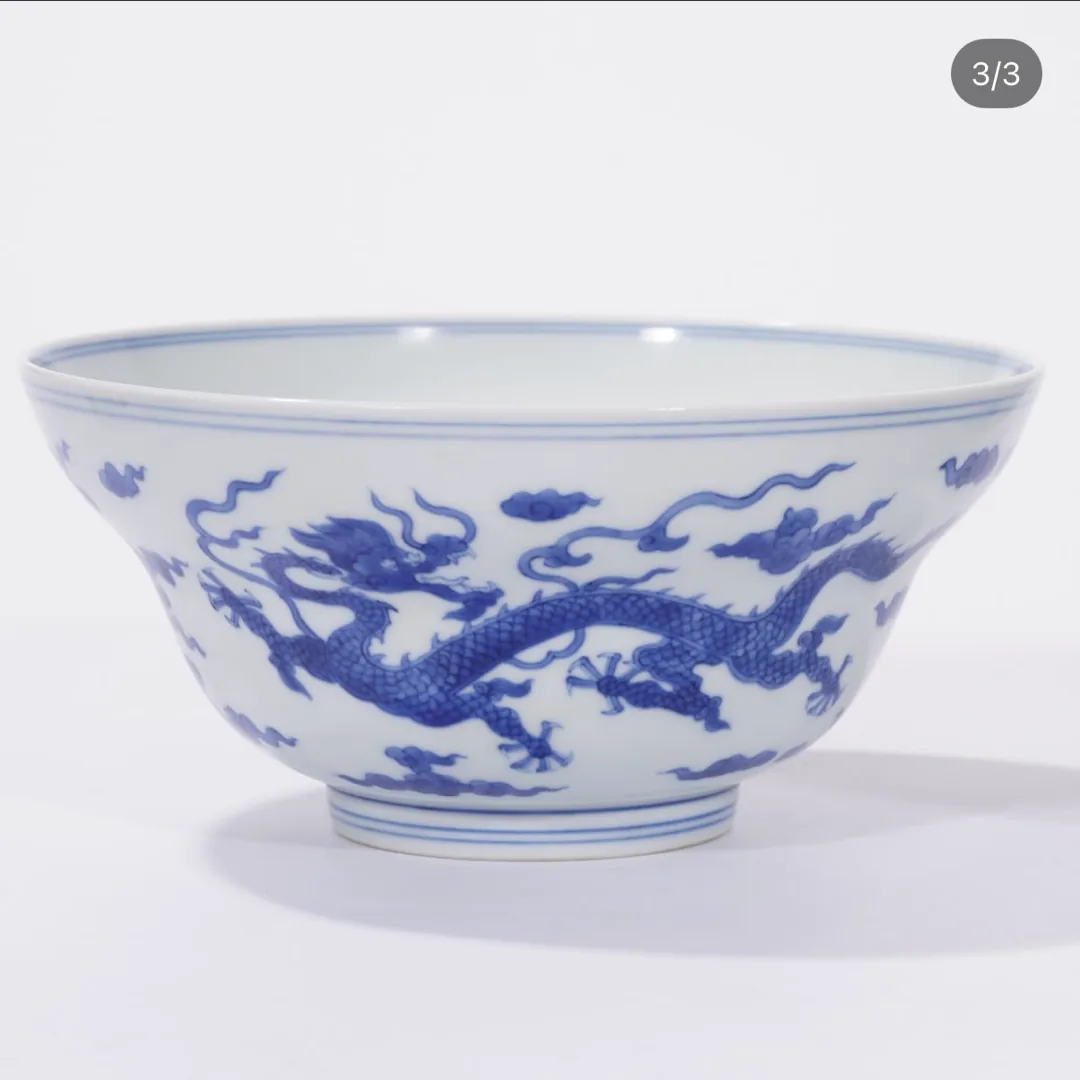
antiquescavengervin [Train the eyes vol.4] Welcome to our weekly antique challenge! Two bowls from QianLong era, Qing Dynasty (1750s), which one is authentic?
Which one is authentic?
Thanks for the participation! Looks like this one is contradictory haha, Allow me to share my view: A is authentic, reasons:
1. First let’s look at the painting style of the dragons, both dragons are illustrated in a classic JiaJing era Ming dynasty style. But why QianLong era pieces will have JiaJing era style? Actually these bowls shall be QianLong imperial kilns’ pieces, and they are designed to imitate and salute ancient craftsmanship in the last dynasty.
2. Next let’s check the tone of the blue cobalt. In JiaJing era, the most popular cobalt is called “HuiQing” or 回青, which presents a highly distinctive rich and vibrant blue. Exactly as A displayed. This is how sophisticated QianLong makers can be: when they want to pay tribute to ancient techniques, they imitate not only the painting style, but also the cobalt color.
For B, the way how the dragon is painted(Ming style) does not match with the tone of the cobalt blue (Qing or later).
Simply let me know if you want to discuss more! Can also read more on my website! 🔥 next week let’s do something more colorful!
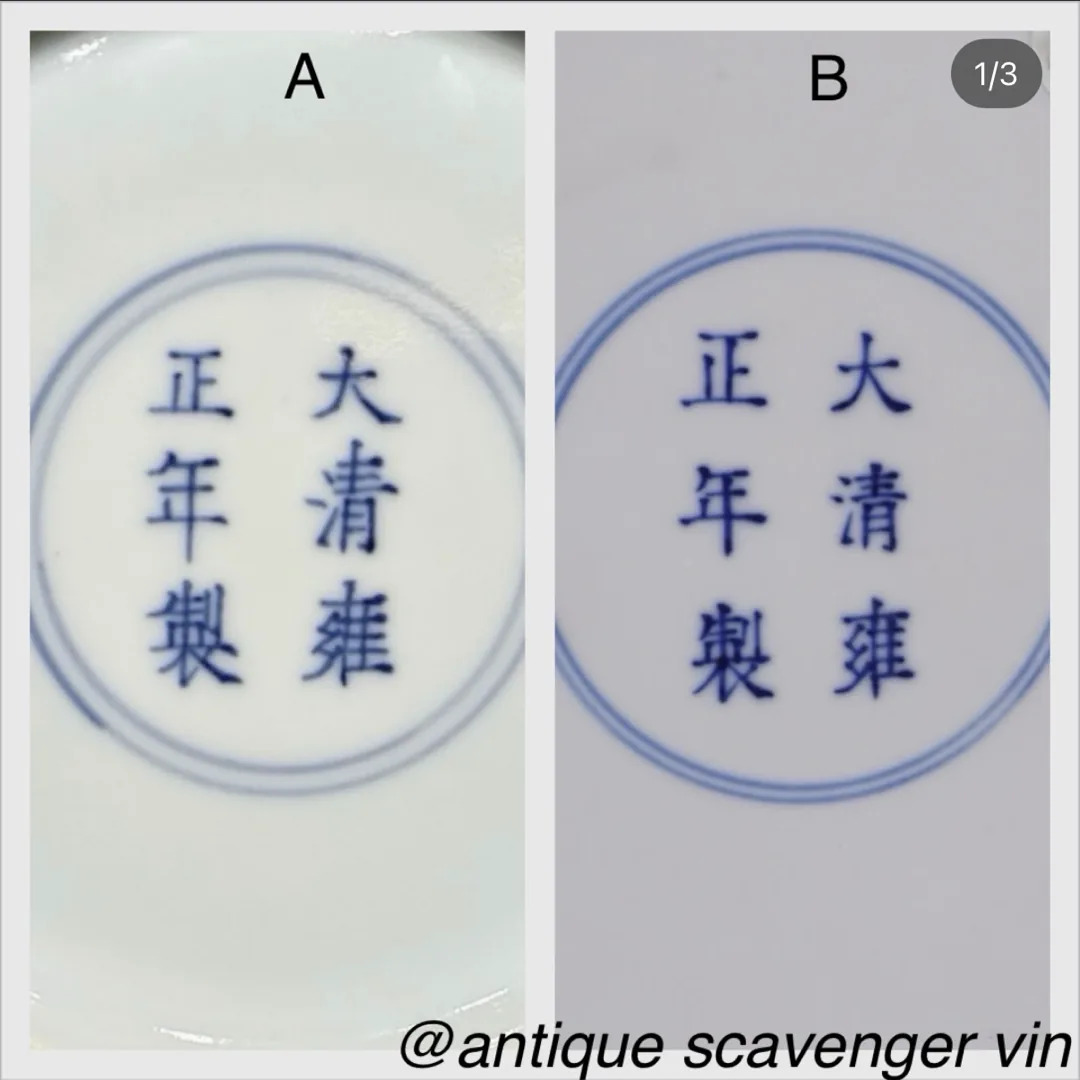
antiquescavengervin [Train the eyes vol.3] Welcome to the weekly antique challenge! Two reign marks from Yongzheng era, Qing dynasty (1720s), which one is authentic?
Which one is authentic?
Thanks for the participation! Looks like a lot of correct ones 👍 Here comes the answer: A is authentic, and allow me to explain:
1. All reign marks were written with a traditional calligraphy brush, thus authentic marks will always show the flow of brushworks, and natural variations in pigment density. B is trying to mimic that feeling but failed haha
2. Ancient calligraphy aesthetics differ greatly with today ones, thus the authenticity cannot be judged through a modern lens of “beautiful” or “ugly”. It’s more like pattern recognition in machine learning, that needs to capture the spirit and the style of ancient aesthetics. For B, the words “清” and “年” are way off from the original pattern in an obvious way, a student-level replica
If you are keen to know more about reign marks, can also check the beginners guide on my website 🔥 Next week let’s try something different!
antiquescavengervin [Train the eyes vol.2] Welcome to our weekly antique challenge! Here are two plates from Yongzheng era Qing Dynasty (~1700s). Which one is authentic?
Which one is authentic?
Thanks for the participation and here it comes: B is authentic!
1. The glaze on A is a bit deceptive, but the biggest flaw is the painting. It is an awkward imitation of YongZheng, especially the faces. It even lacks differences between children and adults. Also the pigment is modern chemicals instead of mineral.
2. B is a representative piece of Yongzheng famille rose, in exact line with the elegant and understated characteristics of that era. The hammer price if I remember correctly, was around 30K usd (quite expensive already given it’s not an imperial piece)
If you have more to discuss, feel free to leave a comment! Next week let’s try a reign mark :)
antiquescavengervin [Train the Eyes Vol.1] Welcome to the weekly antique challenge! Two bowls from Daoguang era Qing Dynasty, which one is authentic? 🧐
Which one is authentic?
Wow so many people, thanks for the participation! Looks like the majority of us get it right: B is authentic. Two major flaws on A are
1. The color and brushwork of the iron-red is wrong.
2. The motif has been simplified, which is impossible for imperial pieces.
Next week let me find something more challenging!
A new case goes up on Instagram every week. Follow along and make your pick before I post the answer.
Follow @antiquescavengervinHappy hunting!
Find me on Instagram, TikTok and YouTube @AntiqueScavengerVin Want to use one of these photos? Just ask me on Instagram first.
antiquescavengervin Author · Pinned
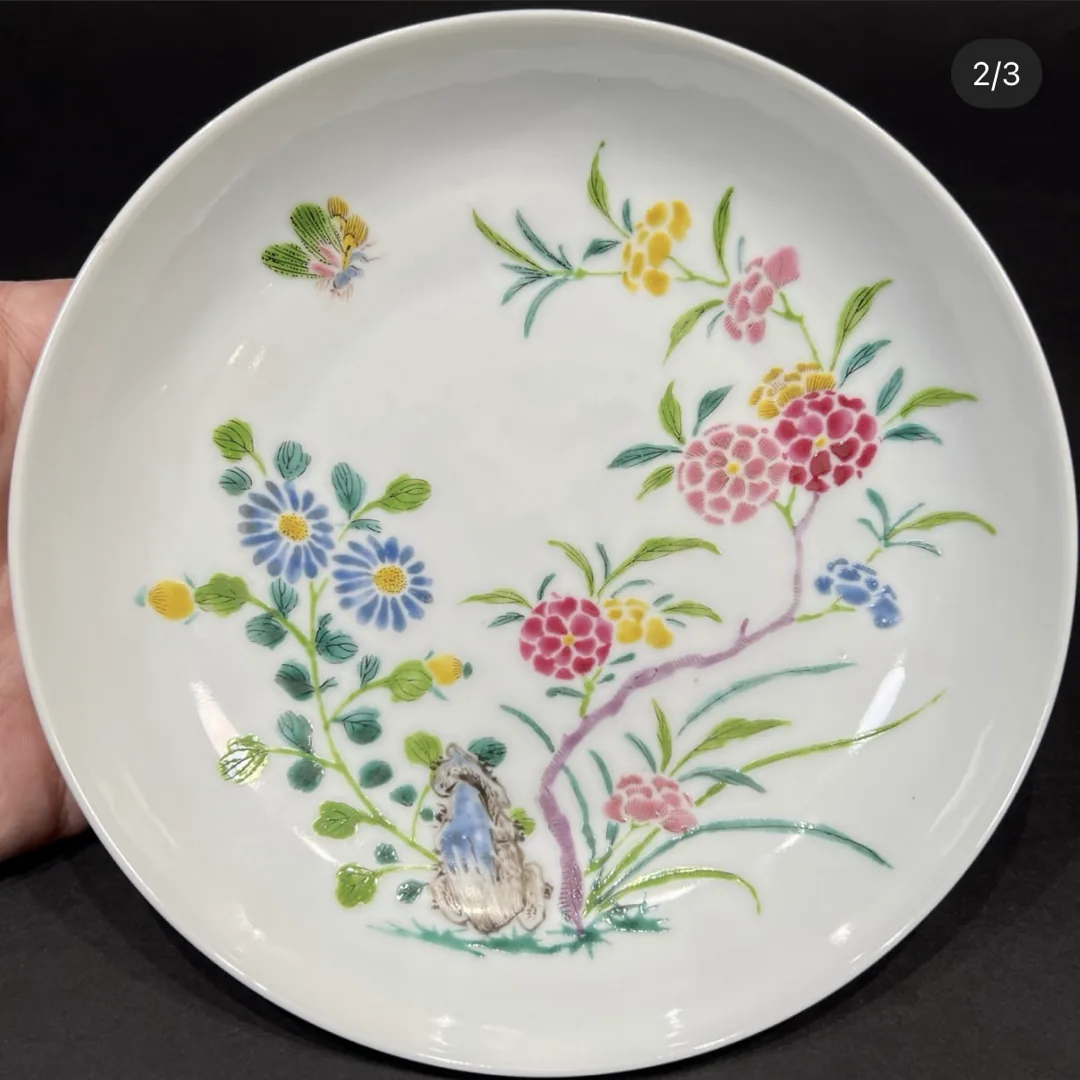
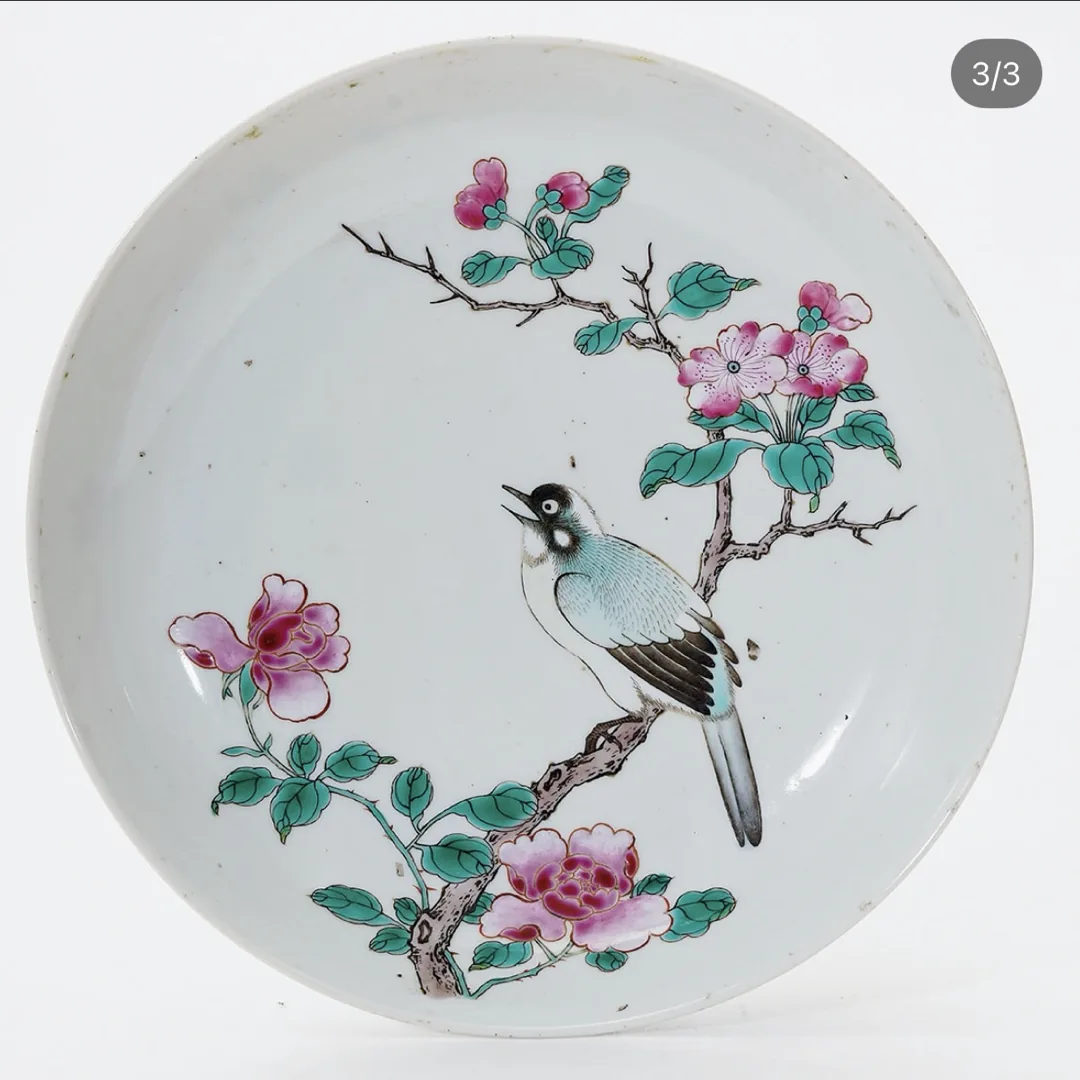
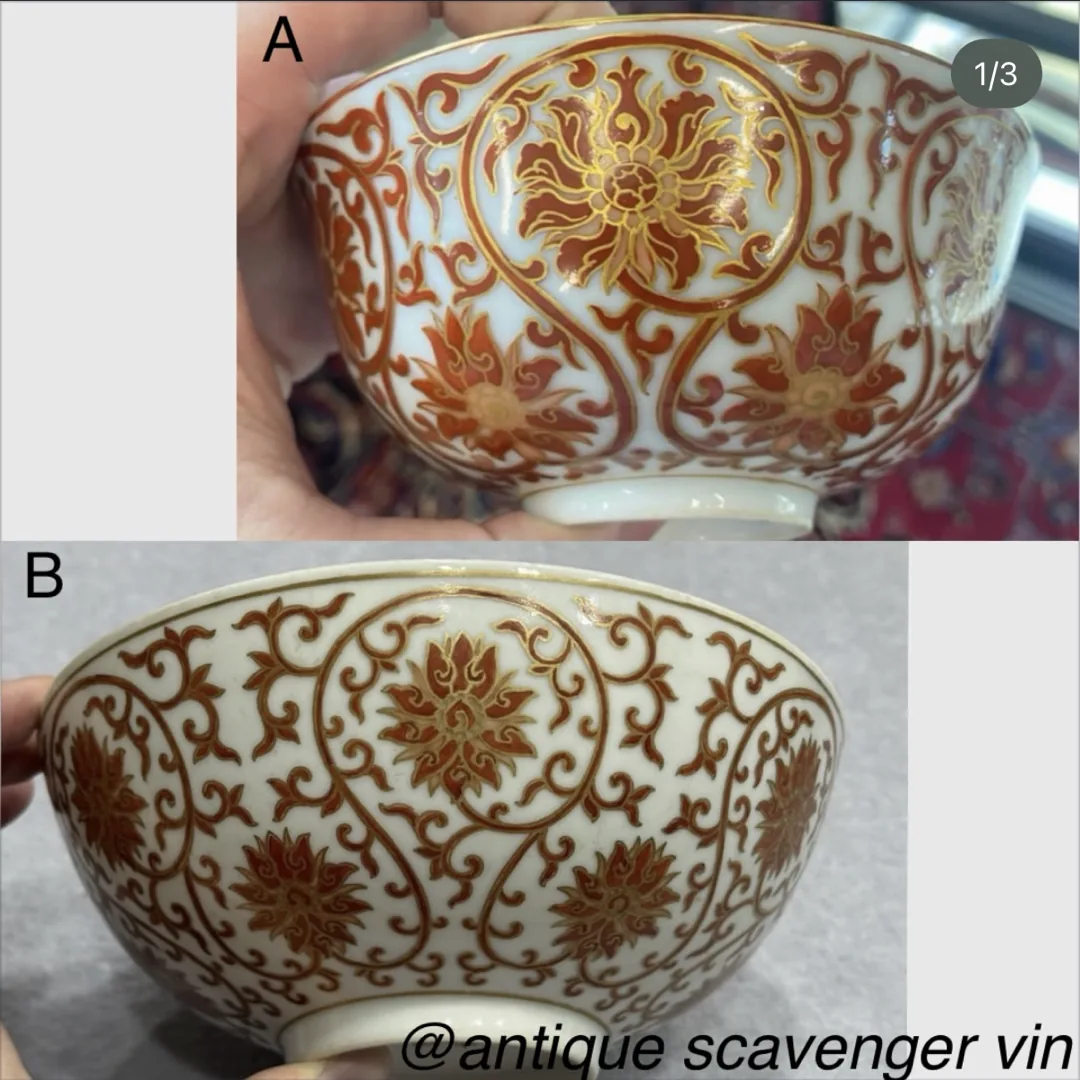
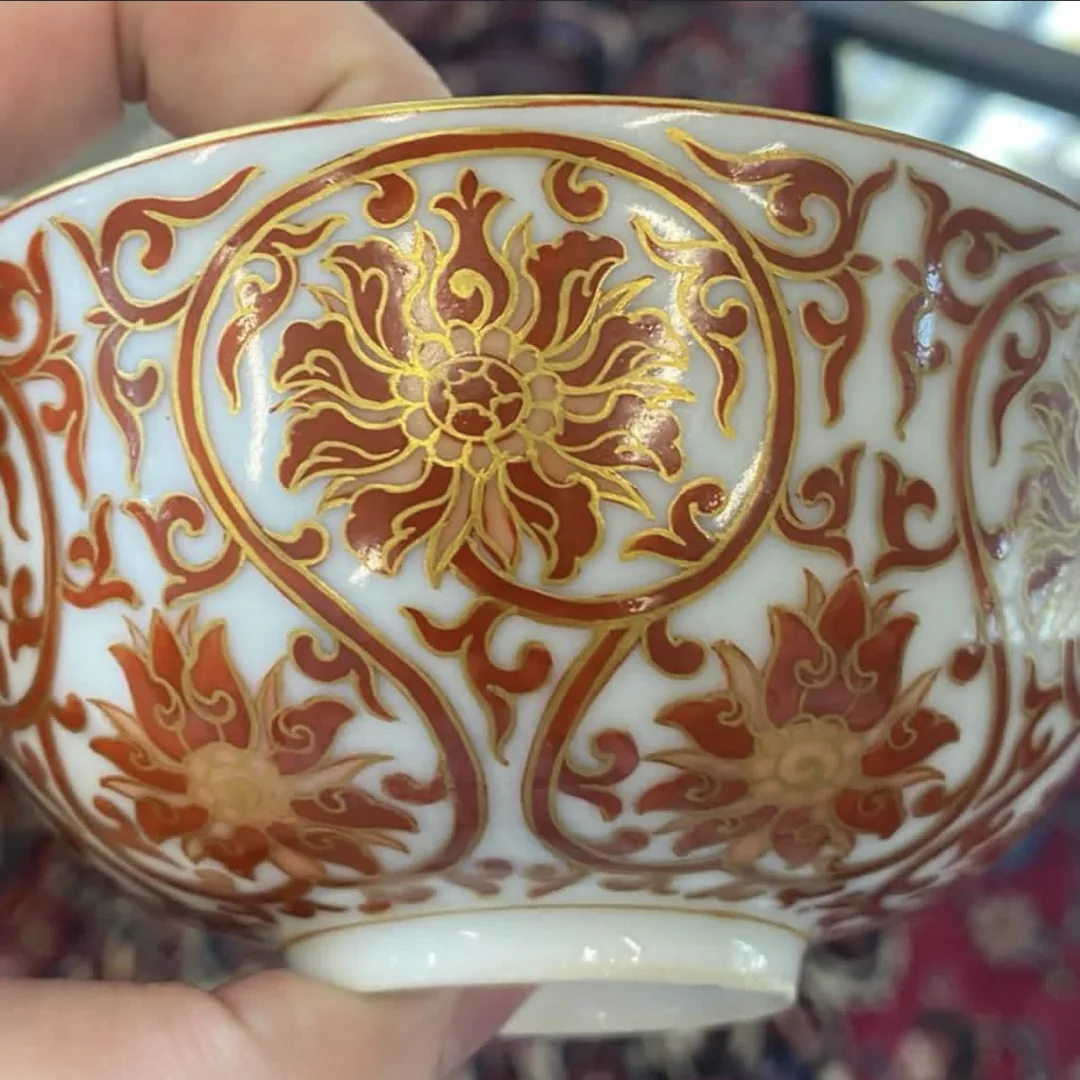
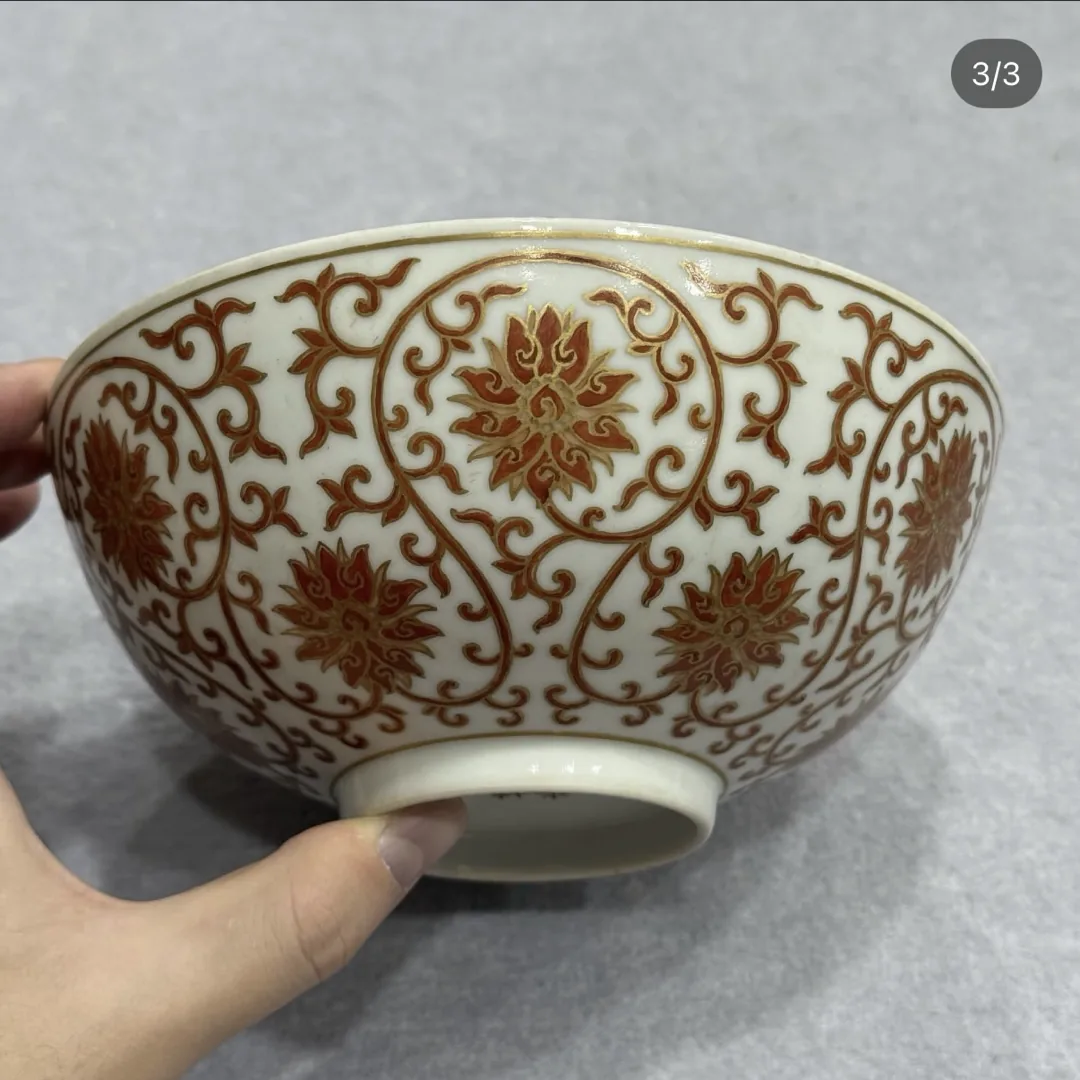
Thanks for the participation! Allow me to share my point of view on these plates: A is authentic.
1. Yongzheng famille rose has a very distinctive trait compared to other dynasties, its style is fresh and understated, the decorative motif aims for atmosphere instead of complexity.
2. I want to share a shortcut for Yongzheng pieces that I personally always use: the sense of discontinuity(断续感)
3. look at the veins on the leaves to see if it has a sense of discontinuity. For the authentic pieces, vein lines usually appear broken and “intermittent” rather than fully continuous, uniform and crisp.
4. The origin of this appearance traced back to the hand painting process. the speed of the brushstroke, and density of the pigment were never consistent when drawing. Each line was built from multiple strokes and was uneven on material composition.
5. Those lines weathered unevenly after long periods, producing in inconsistent erosion and oxidation. As a result, the veins on the leaves will be “discontinued”, in Chinese this is called 断续感
6. If you zoom in to see the leaves on A and B, you will get the sense I was trying to illustrate.
7. This is only a shortcut for some low quality replicas, but it is enough to rule out B :)
8. A is actually a picture I took last week in the auction, and the hammer price was 115K CNY
Next time when you see something from Yongzheng, try to identify that sense! Next week let’s do a reign mark! 🔥